Morocco Without Worries

Morocco is not a wealthy country. But unlike similarly poor countries like Thailand, Vietnam, or India, Moroccans can be aggressive.
From personal experience traveling through such countries, I have several life hacks, tips, and recommendations for safe travel. I hope they will be useful to you and make your trip to Morocco much more pleasant.
Safety in Morocco
- Locals don’t like being photographed. In markets, vendors can be very upset if they see you photographing them or even just their display or goods. Therefore, take photos from a distance and leave quickly, or smile and ask for permission. If a conflict arises, delete the photo and don’t engage in an argument. Some may demand money; keep a few small coins in your pocket if you want to leave the pictures. But I wouldn’t do that. Don’t corrupt them with money for a simple street photo.
- Morocco is a Muslim country, but not everyone wears hijabs or burqas — it’s not Iran. Women don’t have to wear headscarves. To avoid unwanted attention, it’s advisable not to wear short skirts or shorts.
- During the day and until late at night, all streets are full of tourists; even solo women travelers have nothing to fear. However, walking alone after midnight through dark alleys of the Medina or residential areas is not the best adventure, especially if you’re illuminating your path with an iPhone.
- Don’t flaunt Rolexes and Omegas. It’s better to show off in other countries.
- Keep an eye on your pockets, bags, and backpacks in public places, especially in markets.

Moroccans and Their Mentality
You will be scammed and deceived at every step. It’s quite unpleasant, but that’s how it is.
Taxi Drivers
Uber lost to local competitors in Morocco and is not available there. All taxis are supposed to use meters. They do so for locals, but not for tourists. If you have nothing else to do, you can waste time stopping random taxis and asking them to turn on the meter; maybe the tenth one will do so. Alternatively, agree to a fare without a meter, but negotiate the price in advance. The average price within the city (5–10 km; you probably won’t go further) is 15–25 dirhams.
Taxi drivers mostly don’t understand English (except for numbers). When negotiating the fare, there might be issues when “fifteen” at the end of the trip turns into “fifty,” or it suddenly turns out that he quoted the price in euros or per passenger.
Therefore, show the amount in cash or use fingers to indicate how much you’re willing to pay. Write it down on paper or say the numbers clearly — not “fifteen,” but “one five.” Prepare the exact change! And this should be done in any country where you don’t speak the local language, there’s no Uber, or no meter.
Recommendations for women: At the end of the trip, before paying, immediately crack open the door so it can’t be blocked. If you’re two people with suitcases in the trunk, one should immediately get out and retrieve the luggage. There have been cases where the taxi driver audaciously demanded more money.

Helpers
This is the biggest pain in Morocco. For many centuries, when people navigated by stars and paper maps, many generations of Moroccans guided travelers through the maze-like streets of the Medinas and charged them for it.
Years passed, progress didn’t stand still, and now you can reach any point independently using a navigation app on your phone. But Moroccans don’t want to accept this and continue to scam tourists aggressively. And this will continue until everyone stops paying them blindly.
There’s a great app called Google Maps. They work very accurately. They always pinpoint your location and guide you to the desired destination in all Medinas. A must-have for any trip!
Guidebooks warn that in Medinas, narrow streets and tall buildings can cause GPS signals to be inaccurate or not work properly.
That’s not true. The buildings aren’t made of concrete and steel. The GPS signal is strong and stable. It might take a couple of minutes for your smartphone to figure out where you are, and that’s when many fall into the clutches of helpers.
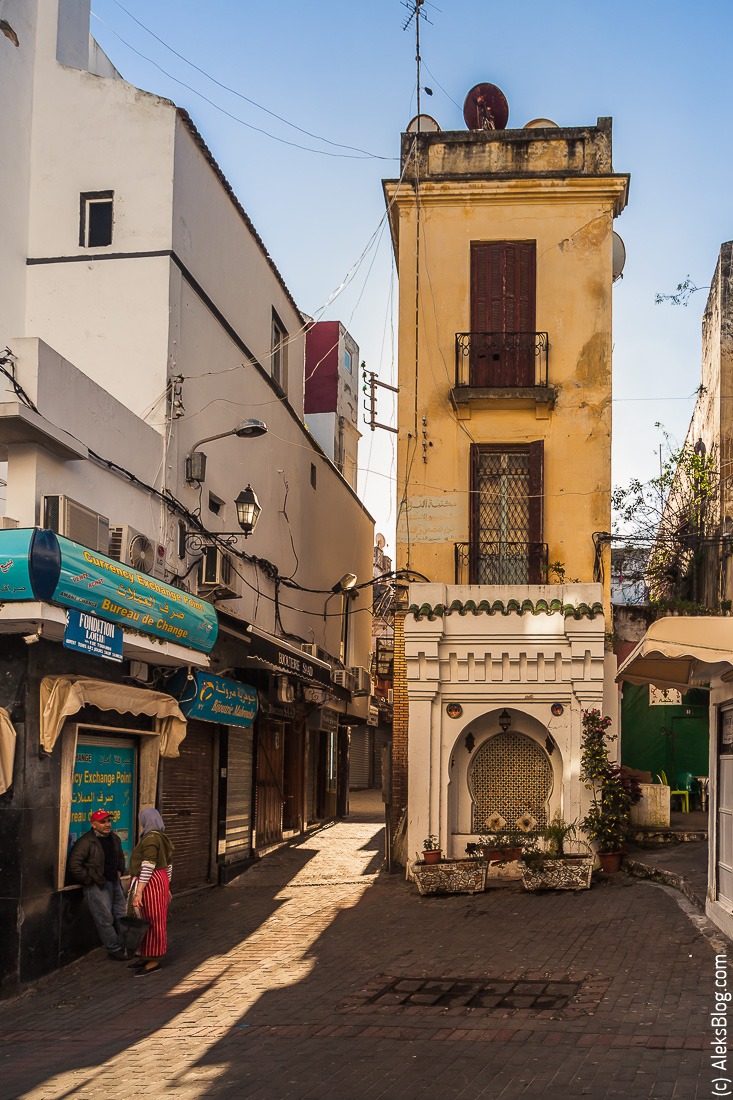

If you notice someone approaching as soon as you start looking at your phone, it’s a helper. He’ll start with standard questions in English: “Hello, what’s your name? Where are you from? Which city do you live in? First time in Morocco? Do you like the country? Where have you been?”
Starting such street conversations in Morocco is a very bad idea. Never engage in dialogue in English. Respond, but speak in Klingon or any similar 😉 . Mumble nonsense, but in your native language. They don’t understand it. No “hello,” “yes,” or “no.” I guarantee that in two minutes, they’ll leave you alone.
Under no circumstances allow them to walk alongside you. If they do, tell them to leave immediately. At the end, there might be a scene where they claim to be a “guide”! It’s laughable, but people have fallen for this and paid.
If you do get lost, your phone dies, and panic sets in — go into any store and ask an elderly shopkeeper for help. If you decide to use a helper’s services, agree on the price immediately. It shouldn’t cost more than 10–30 dirhams.

If they say that everything (museum, shop, hotel, madrasa, just a street) is closed — they’re scamming you. Go and check yourself! They want to sell you “pseudo-guide” services.
Always question any advice that contradicts your plan. When we were leaving a riad in Fez, very friendly staff started telling us that there was a nationwide taxi strike, so we could either walk to the station or they could help us get there for 80 dirhams. We laughed, left, hailed a taxi, and got there for 15 dirhams.

Restaurants
Most cafes and restaurants have menus. Where there’s no menu and dishes are displayed in a showcase, point to what you want and ask how much it costs. Otherwise, you might be in for a big surprise, as we were in Fes.
Some restaurants in tourist areas practice mandatory tips, the amount of which is set by the waiter. You’ll only find out about this at the end or might see it in the menu somewhere at the bottom in small print.
All cafes that open in the evening at Jemaa el-Fna in Marrakech are small-time crooks. What they bring to you as soon as you sit down is charged. If the tout says drinks are free — that’s just to lure you in; later, you’ll find out that it applies only if you order several dishes. Plus, there’s a service charge for service.
In cafes where only coffee and tea are served, there’s usually no menu, but mint tea or black coffee typically costs 4–8 dirhams. But it’s honest. The atmosphere is like that.
Toilets
All toilets are free. There are exceptions, but then the price will be posted at the entrance. If there’s no price tag, you can leave whatever you want (1 dirham) to the toilet attendant, not what they show with their fingers.

Street Entertainers
They are mostly found in Marrakech. No matter how much has been said about this, in every review, it’s the same.
I always try to support street musicians with a couple of coins — they create the city’s lively atmosphere and mood. But not in Morocco.
All those cheerful water carriers and other fairy-tale characters don’t entertain you for free — they immediately expect payment. Even if you just take a photo, they will demand money. Some are aggressive, insisting on a tip, and a few even try to intimidate you. So if you don’t want trouble, avoid taking photos of them or their costumes.