
Kindzmarauli Winery

Gamardjoba!*
The Kindzmarauli Corporation winery is one of the oldest and largest wine producers in Georgia. It’s located in Kakheti, in the town of Kvareli (Google Maps link). Naturally, during our trip across Georgia, we couldn’t pass this by.
*In Georgian, it means “Greetings!”

The Kindzmarauli Corporation (its full correct name) existed back in the Soviet Union era. In 1993, the winery was bought into private ownership. On the grounds, some of the oldest buildings from the 16th century have been preserved.
You can tour the grounds with a guide from the winery. It’s possible to see the entire wine production process, starting from when the grapes are brought to the winery, unloaded from the trucks, and immediately enter the production process.


There are several methods of wine production. The first is the classic method. Grapes are crushed together with the pomace (grape seeds and skins), and the resulting must is poured into huge qvevri, sealed, and buried underground to maintain a constant temperature. Qvevri are special clay vessels without handles. The fermentation period lasts 12–20 days.
The grapes ferment naturally and do not reach an alcohol content of 13 degrees. If a stronger wine is needed, sugar and yeast are added. The pomace is later separated and used to make chacha. This method is very labor-intensive, and wine produced this way is considered expensive, not exported, and produced in quantities of only 70 thousand litres a year.

The second method is the European, industrial one, where the grape must is separated from the skins and seeds and ferments in modern metal tanks.
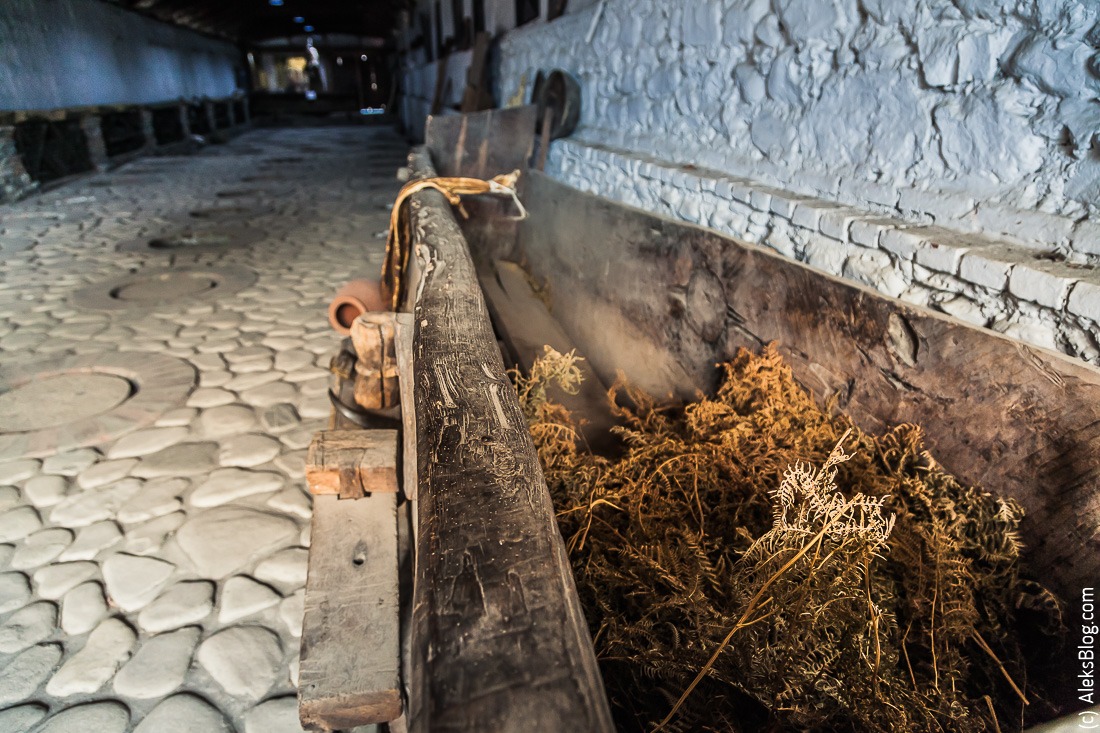
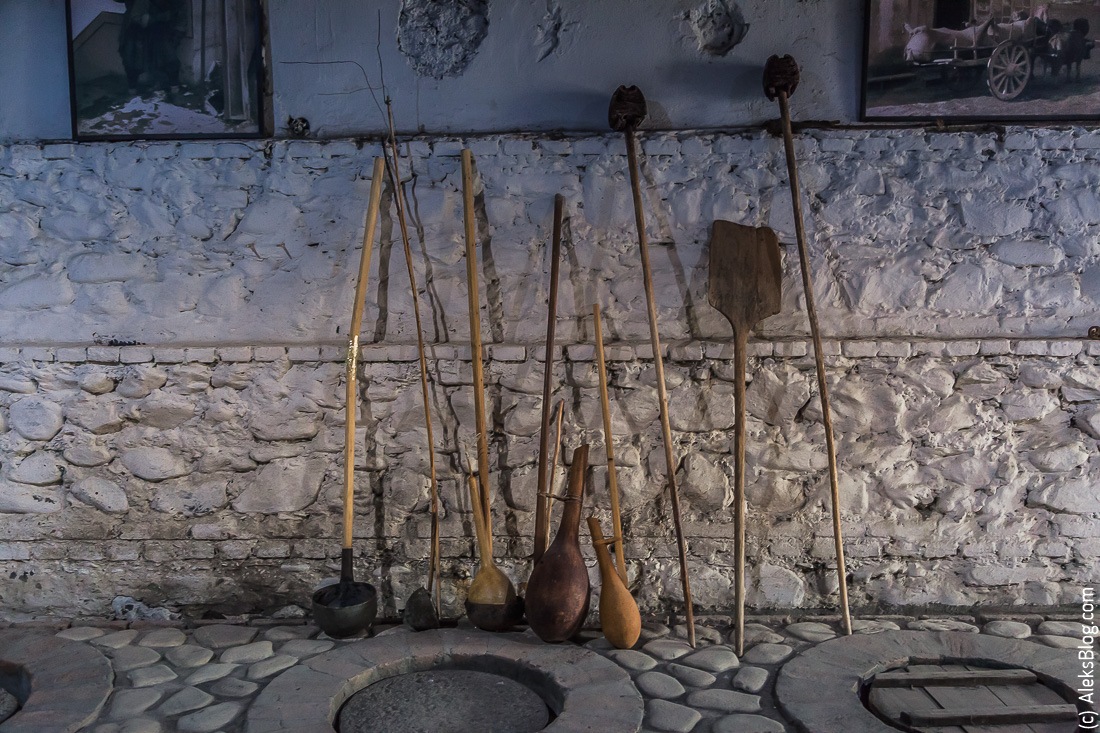
There is a small museum displaying old tools that were used in wine production.
I’m no chemist — I’m writing this process from memory — and I hope you won’t be making wine based on my “recipe,” so I’ll continue.

Fermentation continues until the wine reaches an alcohol content of 10–14 degrees, at which point the wine yeast dies and there is little sugar left. To make sweet wine, fermentation needs to be stopped. Kindzmarauli is one of the few wines that ferments naturally. For this reason, fermentation is stopped by cooling the wine to 2 degrees. To maintain the required temperature, the barrels are covered with a special polyurethane foam.

After fermentation, the wine is poured into special tanks where it is stored for up to two years, after which it is bottled.


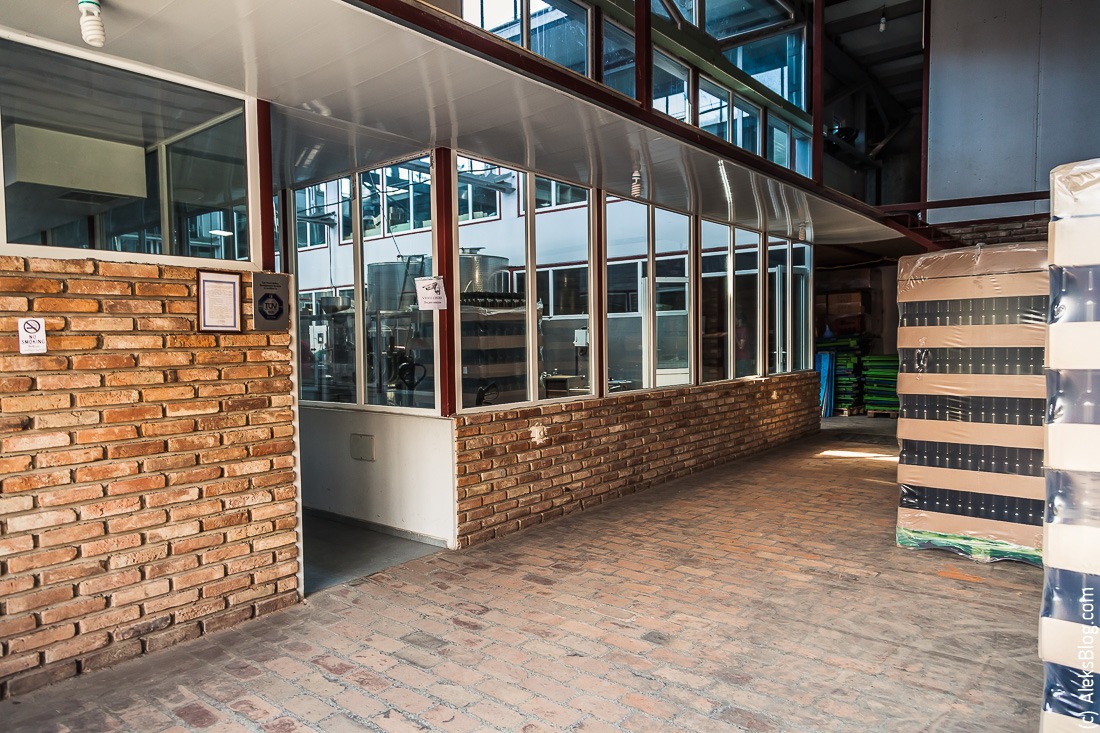
The bottling workshop itself is small, with only a few people working there. By the way, the corks for the bottles are purchased from Portugal.

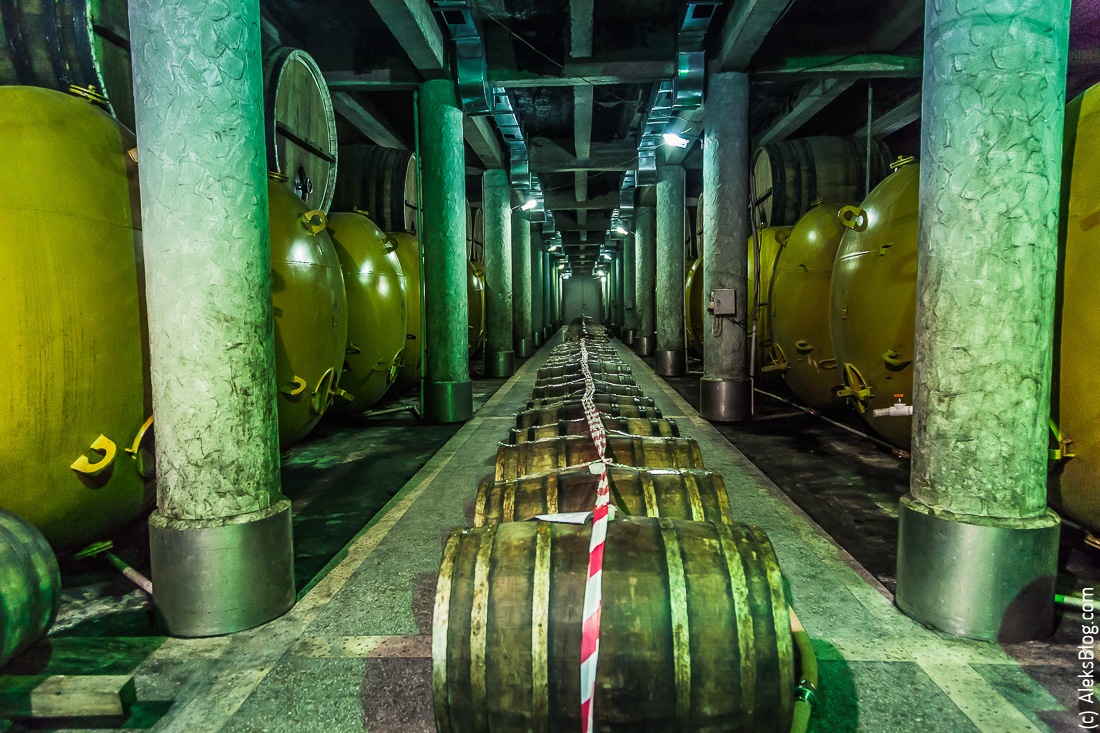
In the cellar of the Kindzmarauli winery, there is a wine storage room where a constant temperature of 14 degrees is maintained year-round. Here, brandy spirit is stored in barrels.

There is also a storage for premium wine. Along the walls, there are huge racks holding samples (benchmarks) of wines from different vintages. Anyone can buy a bottle (one or as many as they wish) and store it here. It’s like renting a safe deposit box at a bank, but for wine. Many clients come from different countries. Some collectors buy and store wine remotely without even visiting Kvareli. You can choose, buy, pay for, and store wine via email or phone. Over time, certain wine varieties become more valuable.
Sorry for quality of photos 🙁
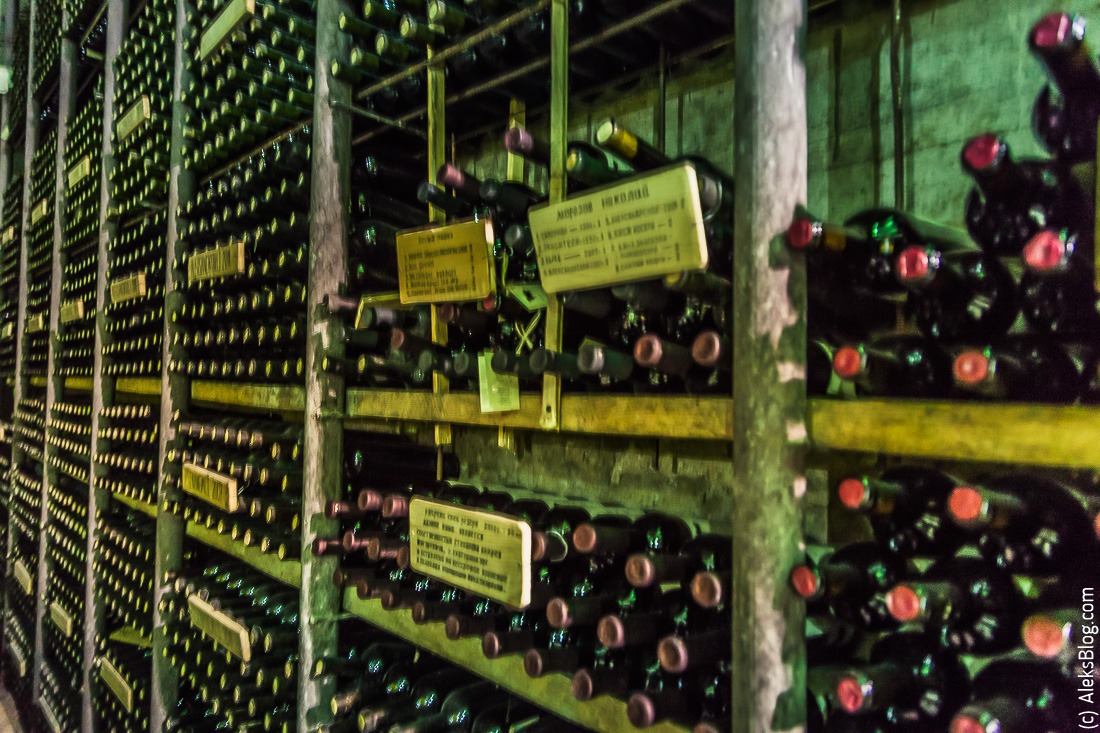
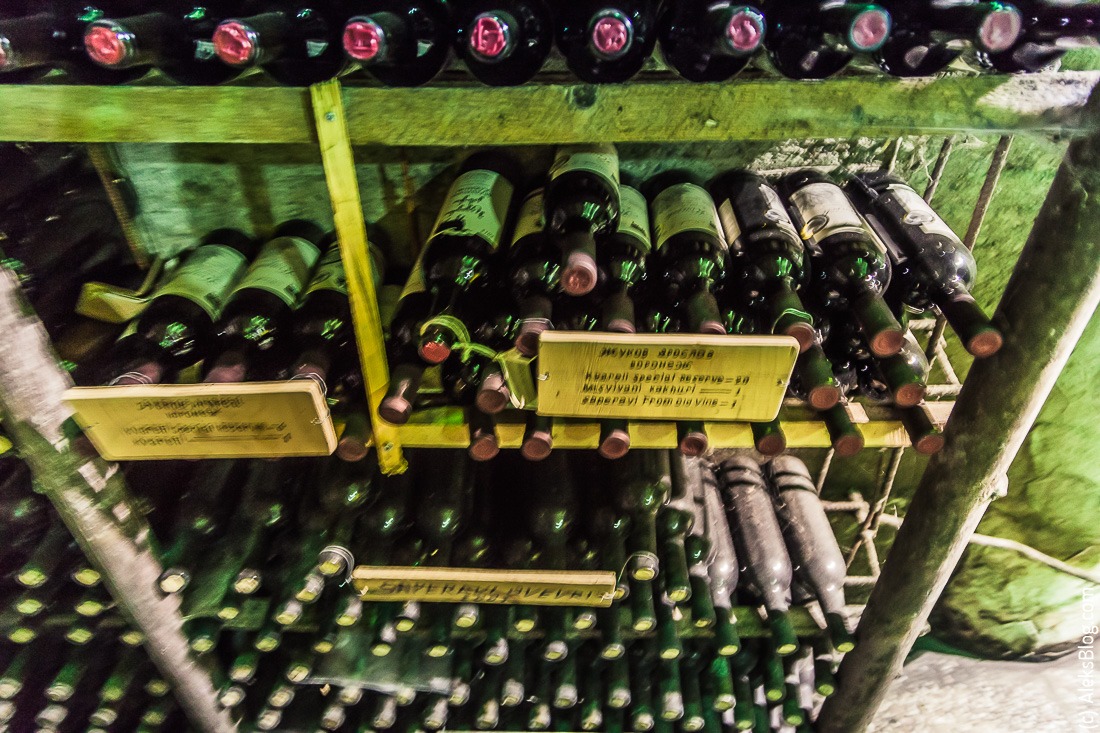
After the tour, which flew by rather quickly — a tasting. You can try a few types: two kinds of white and two kinds of red. And it’s the most basic tasting — don’t expect a buffet or all-inclusive experience; the wine is poured to about two fingers in the glass. After that, there’s a shop where you can buy wine and chacha.

The selection is very large, and prices are lower than in stores! I recommend trying chacha — a digestif similar to grappa in Italy. Even the cheapest one is of very good quality — you can buy a bottle to try in the evening 😉
For brandy lovers, there are three types: Kvareli (5 years aged), Gremi (15 years), and Eniseli (17 years).
Of course, there are wines like Kindzmarauli, Mukuzani, and others. If you love wine or want to bring a gift, get Kvareli, aged in oak barrels, or Kisi — a semi-sweet white made using European techniques and a dry one made in qvevri. I highly recommend the incredible Saperavi “16×16,” aged in oak barrels for 6 months.

The tour of the Kindzmarauli Corporation winery is more of a mass experience, designed for those who have never been to a wine production facility before. If it’s your first time in Georgia or Kakheti, it’s worth visiting — especially since it’s free.
If you want to visit a few more wineries in Kakheti, note these:
In Tsinandali — the Shumi winery,
In Kvareli, besides the Kindzmarauli Corporation, there’s Kindzmarauli Marani and the largest winery in the region, Khareba.
When it comes to wine, my expertise is simple — red/white, sour/sweet, headache/no headache. Preferences are highlighted in bold. So for me, tours and tastings at other large wineries are basically the same, just with a different setting. That’s why I don’t see the point in visiting them all — one visit to Kindzmarauli, conveniently located, is enough to understand the process.
For variety and to try wines from private wineries, I recommend visiting Okro’s Wines and Pheasant’s Tears in Sighnaghi.
Bloomberg included Pheasant’s Tears’ Rkatsiteli in the list of the world’s best wines under $50.
For true wine connoisseurs, Kakheti offers special wine tours of private wineries, but that’s a whole different story.


