
Kutaisi Travel Guide

Gamardzhoba*!
There’s honestly not much to see in Kutaisi itself. Sorry, dear residents of this lovely city, but that’s how I see it. All the really interesting places are nearby, while Kutaisi is best for spending a night or two.
I share my personal guide to Kutaisi and the Imereti region. From UNESCO sites like Gelati Monastery to hidden gems like Kinchkha Waterfall, I tell you where to go, what to see, and how to explore the area my way. Practical tips, personal impressions, and must-see highlights for your trip to Georgia.
*Which means “Hello!” in Georgian.

How to get to Kutaisi
You can reach Kutaisi by public transport from Tbilisi or Batumi, by minibus from Armenia, by taxi, by rental car, on a guided tour, or even by plane.
Flights to Kutaisi
Kutaisi has one of Georgia’s four airports. My favorite airline, WizzAir, flies from Kutaisi to many European cities.
Trains to Kutaisi
You can buy tickets on the Georgian Railways website — gr.com.ge — or through Georgian agencies like tkt.ge or tre.ge. It doesn’t matter which one you use, the price is the same everywhere. The trip from Tbilisi to Kutaisi takes 3.5 to 4.5 hours. Trains run on schedule and, unlike buses, they don’t arrive late.
Car rental
I’ve probably already said this in every post about Georgia, but I can’t help repeating it again — the best way to travel here is by car. If you’ve rented one, you’re in luck. You’ll see so much more than those who rely on taxi drivers or guided tours.
If you don’t want to drive all over Georgia yourself, you can simply come to Kutaisi and rent a car for 1–2–3 days. That’s enough time to see all the main sights that are hard to reach by public transport — and you won’t need to hire a taxi.
I’ve written a detailed guide about renting a car in Georgia, what you’ll need, and some local driving tips. But if you don’t feel like reading, you can just rent through the aggregator LocalRent.
Taxi and transfer
It’s 230 km and about 4 hours from Tbilisi to Kutaisi, and 150 km and 3 hours from Batumi to Kutaisi. You can book a transfer through Gotrip.ge. They offer car rentals with drivers for any kind of trip. I highly recommend this company! I used them for my trip from Batumi to the Martvili Canyons, Prometheus Cave, and Kutaisi.
Buses to Kutaisi
The most popular way to get from Tbilisi to Kutaisi is by minibus (marshrutka) from the Didube bus station. They depart every hour from 8 a.m. to 7 p.m., and the trip takes around 4 hours. Be prepared — no one at the station speaks English.
Regular (large) buses from two companies leave from the Ortachala station. You can even buy tickets online: Metro Georgia at metrogeorgia.ge and City Bus at citybus.ge. The two carriers are basically identical — same buses, same ticket prices. You can check the schedule and buy tickets directly on their websites. The site 12go.asia also sells tickets for these buses and minibuses.
Tours to Kutaisi
Getting from Tbilisi to Kutaisi takes a long time — the whole day would go into the round trip. That’s why most tours to the sights around Kutaisi (like the Prometheus Cave, Martvili Canyons, etc.) are organized from Kutaisi itself or for travelers staying in Batumi.
It’s better to get to Kutaisi on your own and, if you wish, hire a local guide with a car once you’re there.
Check tours from local guides on GYG.
How many days to spend in Kutaisi
All of Kutaisi’s attractions can be divided into two types — natural (Prometheus Cave, Okatse Canyon, Martvili Canyons, Kinchkha Waterfall) and historical (churches, Katskhi, Chiatura).
It’s impossible to see everything in just one full day, even if you have a car.
For those traveling by car, it’s best to stay in Kutaisi for two nights (see where to stay) and follow this route:
- Day 1 — Get up early and you’ll have time to see Kutaisi, Chiatura, Katskhi Pillar, Gelati Monastery, and Motsameta Monastery. If you skip Chiatura, you can visit Prometheus Cave instead.
- Day 2 — Prometheus Cave, Martvili Canyons, Okatse Canyon, Kinchkha Waterfall.
For those traveling by minibuses or taxis — check the time estimates I’ve listed for each place, to plan your visits accordingly.
What to see in Kutaisi
You can see all of Kutaisi in about an hour and a half — two hours if you stop by the market to buy some spices or churchkhela (georgian sweet). After that, you definitely need to head out to explore the surroundings.

So, first things first — Kutaisi is the capital of Imereti, the second largest city in Georgia, and one of the oldest cities in the world. It’s located on the banks of the Rioni River. The most popular khachapuri made with sulguni cheese actually comes from this region — Imeretian khachapuri. Be sure to try it in local restaurants.
What to see in the city itself
Bagrati Cathedral — the main landmark of Kutaisi. Built in 1003, the cathedral remained completely destroyed for a very long time — until 2010 there were only ruins on this spot. Mikheil Saakashvili began restoring it, but UNESCO demanded that the reconstruction be halted. After long negotiations involving the Georgian Patriarch, restoration work resumed in 2012, and the cathedral was fully rebuilt. Today Bagrati Cathedral is a grand and majestic structure standing on a hilltop with beautiful views over Kutaisi. There’s parking nearby, and you can also walk up. Open daily from 8 a.m. to 6 p.m.
Cable car — runs from the city center (White Bridge), across the Rioni River to the city park. It’s not as spectacular as the one in Chiatura and isn’t that interesting on its own, but there’s a Ferris wheel in the park, and you can easily spend an hour or two relaxing there.
Kutaisi Market () — they sell everything: vegetables, fruits, meat, and some rather awful Turkish clothes. We only bought spices and a bit of churchkhela to make the walk more fun. The Georgian grandma we bought from spoke Russian about as well as we spoke Georgian — but with the combined efforts of the whole market, we managed to gather a few kilos. Good thing we had our own car. Bargaining is a must, though not in a furious Asian way.
Parliament building — a futuristic structure worth photographing from afar (42.264647, 42.659663), then moving on. If you’re not driving, you can easily skip it.
In general, you’ll need a car, or at least taxis or guided tours. The top attractions are all outside the city, and getting there by public transport takes time and requires fitting into the schedule — unless you enjoy hitchhiking. But if you have time to travel slowly, moving between towns like the locals can actually be quite fun.
Gelati Monastery
Gelati Monastery is located 9 km from Kutaisi. Opening hours: daily except Saturday and Sunday, from 9 a.m. to 6 p.m.
You can get there by minibus from Kutaisi — they run every 2 hours from 8 a.m. to 6 p.m. The fare is 2 lari. The minibus stop is on Mari Brosse Street, behind the Meskhishvili State Drama Theater — look for the fountain and then just ask the locals. Khe-khe… Rent a car!

One of the oldest churches in Georgia, and until recently the residence of Catholicos-Patriarch Ilia II.

Built during the Golden Age of the Georgian Kingdom — the era from King David IV the Builder to his great-granddaughter, Queen Tamar. The legendary King David IV the Builder himself is buried beneath the monastery gates.
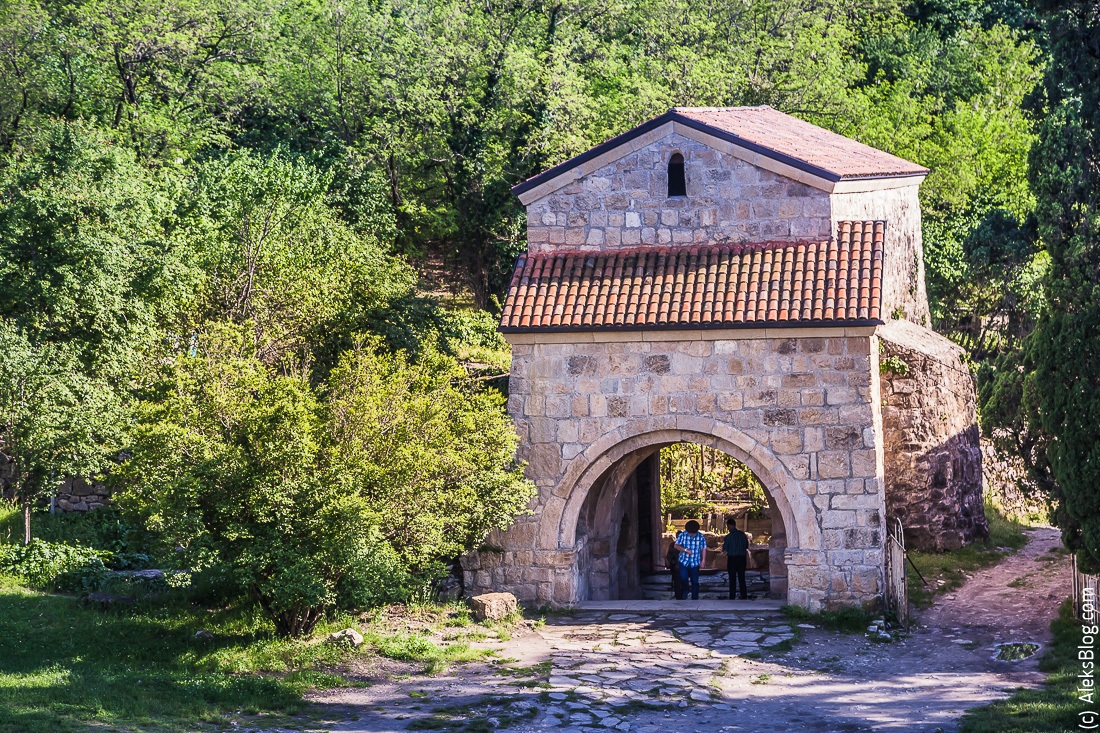
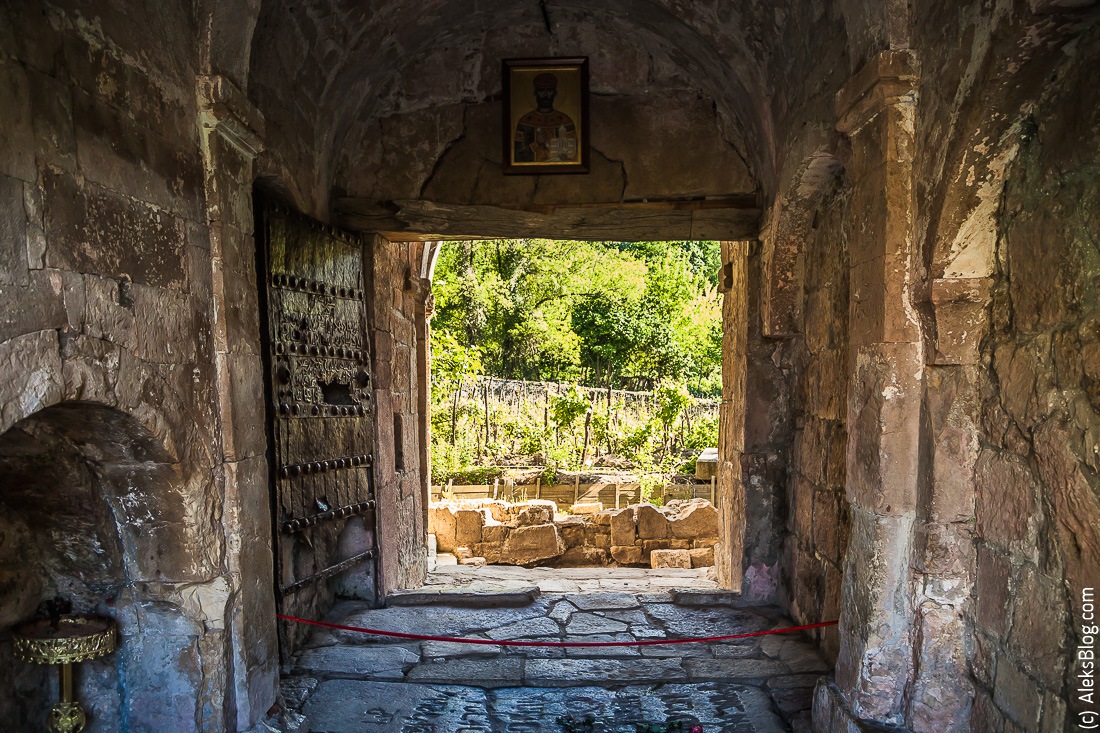

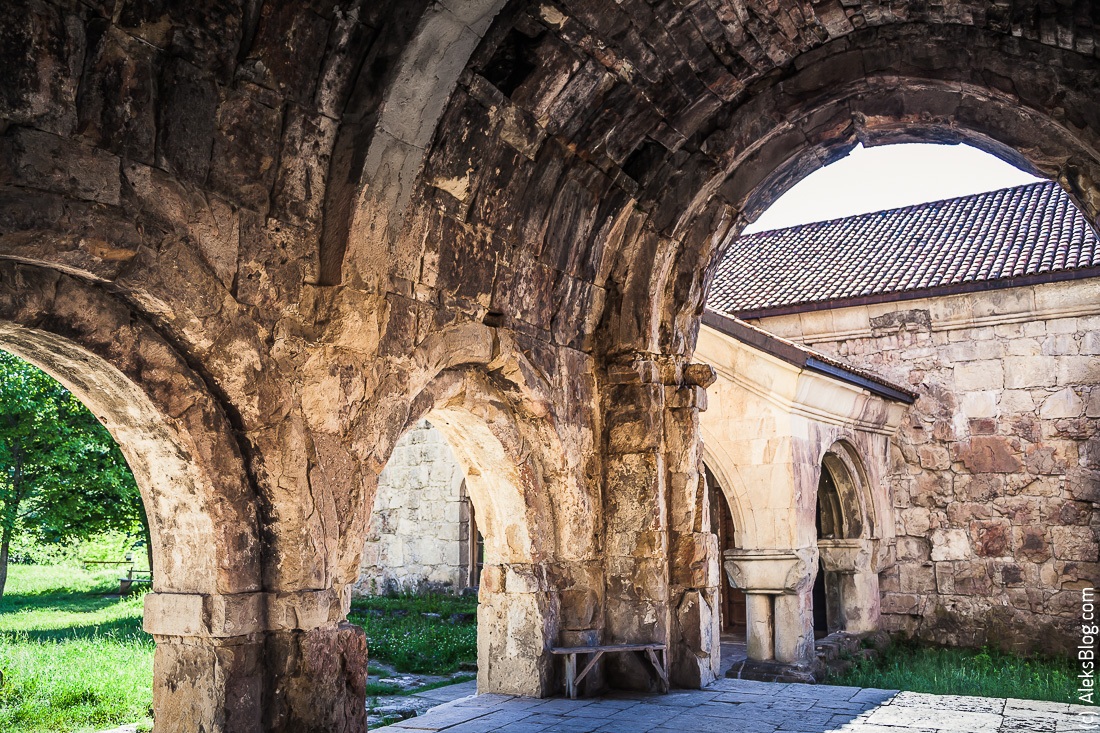
According to one legend, Queen Tamar was also buried on the grounds of Gelati Monastery, but there’s no evidence to support this. The first church of Gelati Monastery — the Cathedral of the Nativity of the Virgin — was built in the 12th century.
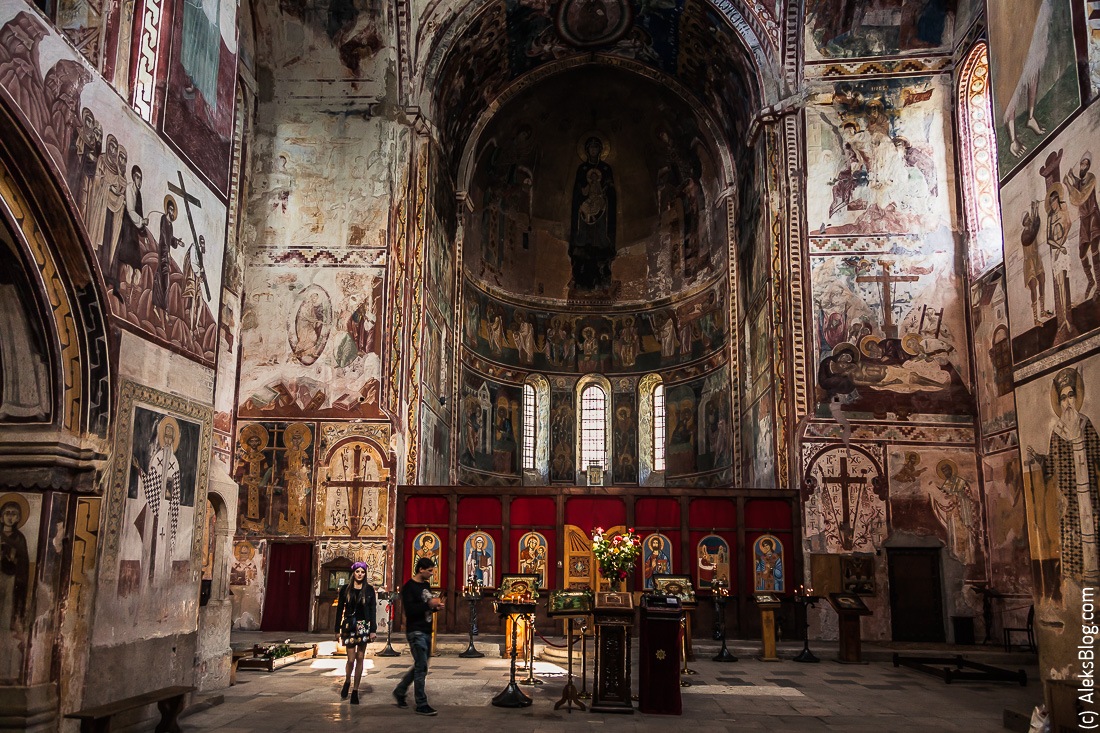
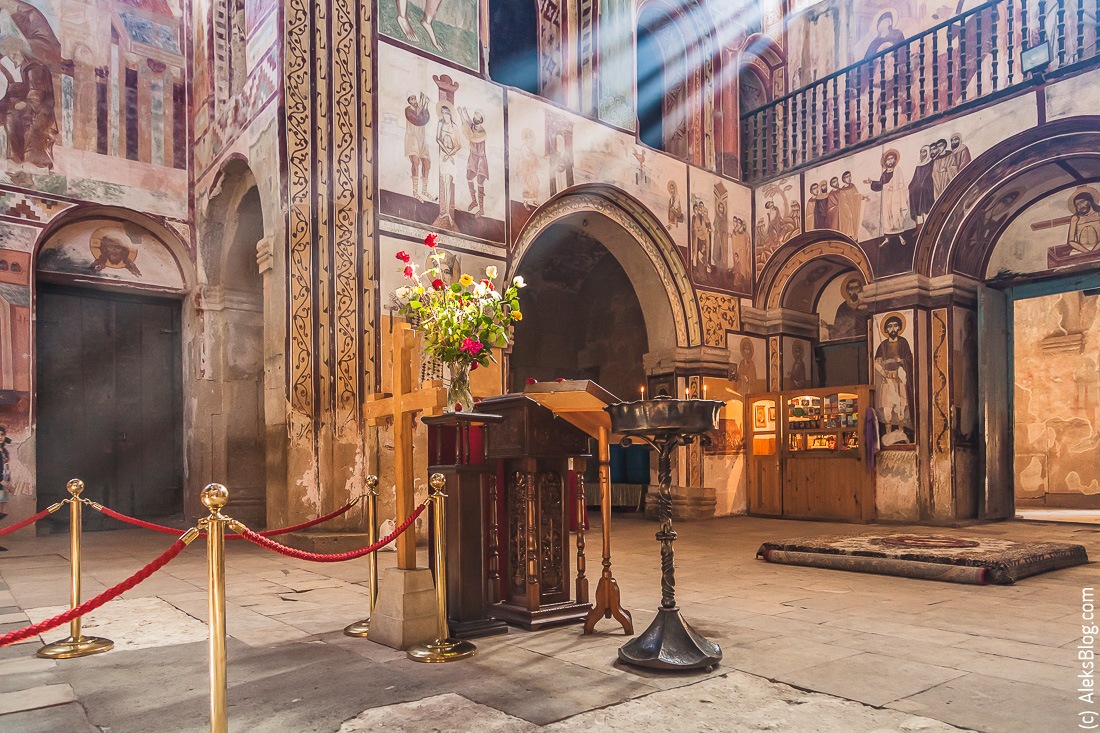
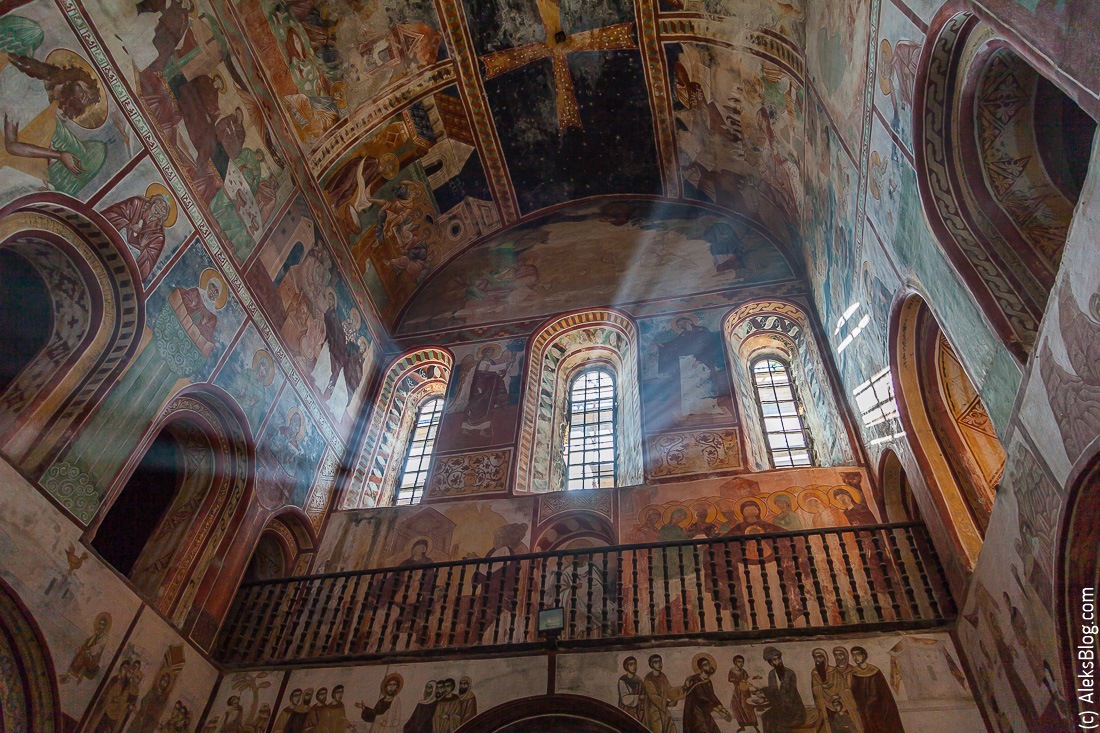
In the 13th century, Queen Tamar built two more churches next to the cathedral. The unique frescoes and interior paintings of the churches are truly impressive.

Motsameta Monastery
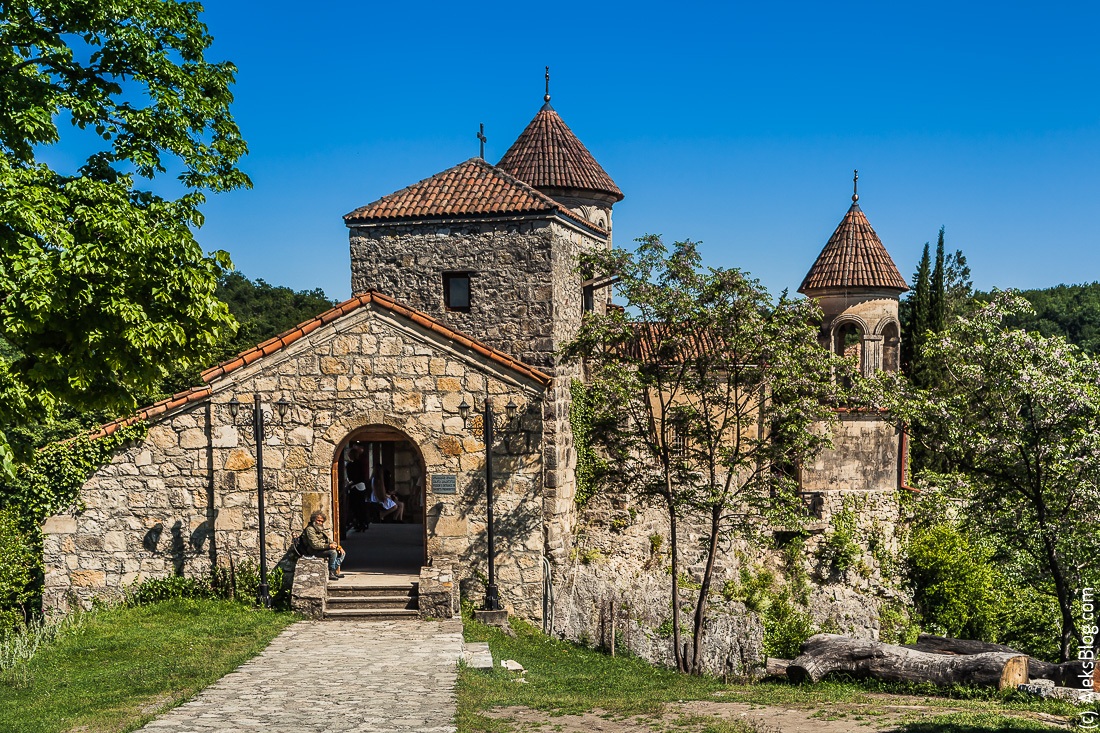
Located not far from Gelati, along the same road. You can’t drive directly up to the monastery — it’s about a 500-meter walk from the parking lot. Opening hours: daily from 10 a.m. to 6 p.m. Plan 1–1.5 hours for visiting Motsameta.
On weekends, minibuses run to Motsameta Monastery, and you can take one of them. They depart at 9:00, 12:30, 15:00, and 18:30, leaving from the same place as the minibuses to Gelati. On other days, you can take a minibus to Gelati and ask the driver to drop you off at the turnoff to Motsameta — from there it’s 2 km on foot. Alternatively, you can take a taxi from Kutaisi.

Legends say that the monastery was built on the site where the Georgian princes David and Constantine Mkheidze were executed in 740 for refusing to convert to Islam, and they were brutally killed. Their relics rest in the monastery. On October 15, the holiday Motsametoba is celebrated — a day of remembrance for the martyrs. Pilgrims come here from all over Georgia.
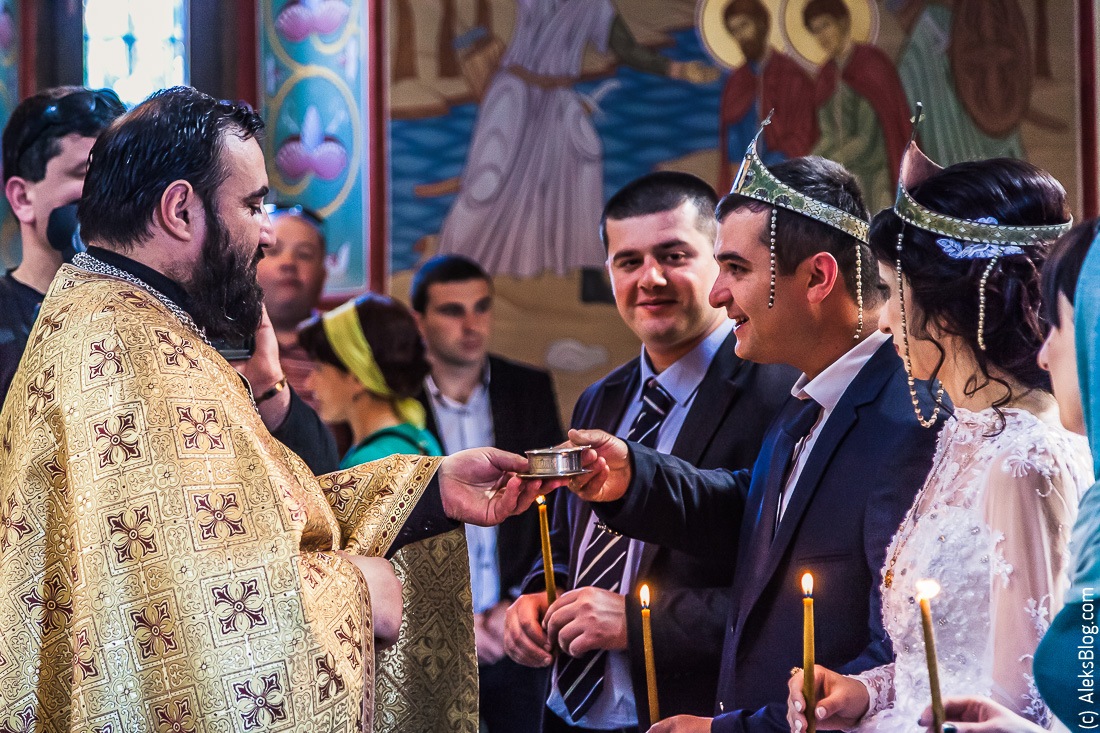
We unexpectedly happened to witness a wedding at Motsameta.
Prometheus Cave
One of Georgia’s main natural attractions. The largest cave with stalactites and stalagmites in the country. Definitely worth a visit — especially if you’ve never been to a cave like this before.
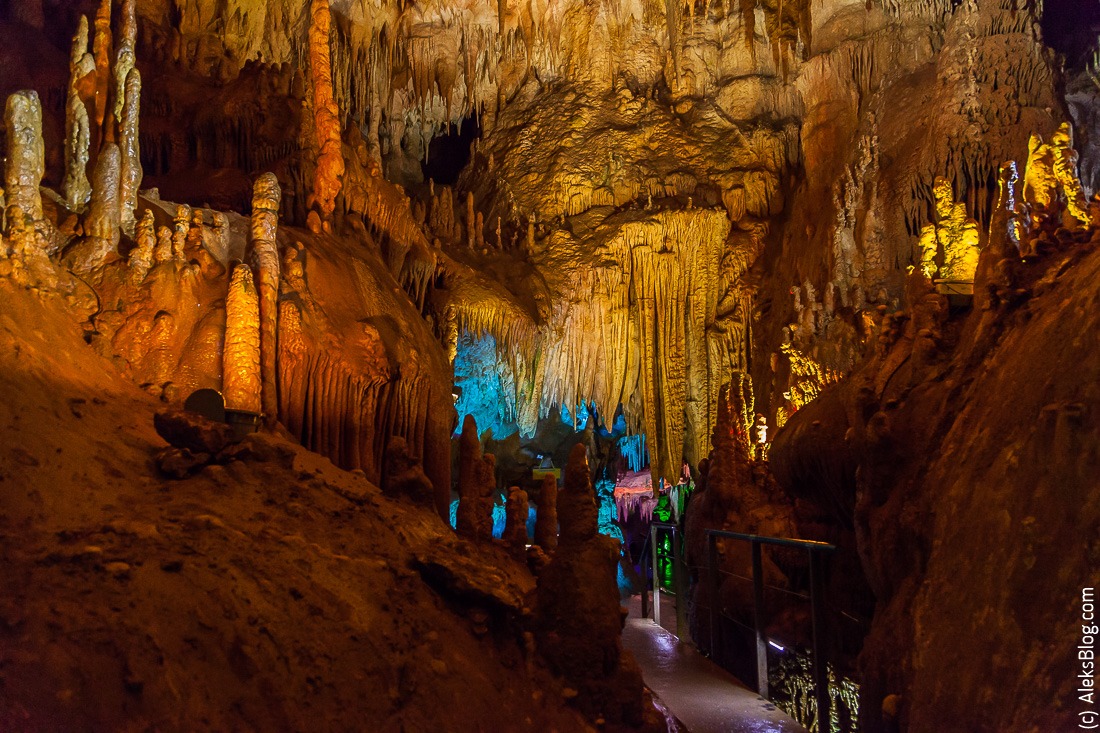
Read more on my blog: Prometheus Cave — description, photos, tips, how to get there, and more. I decided to make it a separate post because there’s a lot of information and pictures.
Martvili Canyons
Another natural attraction that I highly recommend visiting — I really enjoyed the canyons.

By car, you can reach the parking near the park. Cars are parked along the road, or you can use the regular fenced parking lot with a man in a vest and a stick. We paid 2 lari.
From the parking lot, it’s a 5–7 minute walk to the entrance.
Opening hours: Tuesday to Sunday, 10 a.m. to 6 p.m. Closed on Mondays. Entrance fee is 20 lari, and the boat ride costs 13 lari per person (and trust me, it’s worth it).
The upper canyons are where you ride the boat, the lower canyons are for viewing waterfalls. There’s a single entrance to the area.

What the boat ride in Martvili Canyons is like
Everyone is given life jackets and loaded into inflatable boats. The boats aren’t large, but there are plenty of them, and if you’re lucky, you might have the boatman all to yourselves. Then you paddle along a calm river — no rapids or strong currents — and just enjoy the scenery. After a while, you turn around and float back. The downside of this activity is that it ends very quickly — only 20 minutes, and you don’t go far. We were a bit lucky; our boatman got a phone call and spent 15 minutes chatting. People used to be able to swim here, but that’s no longer allowed.
After the boat ride, you walk down to the lower canyons. It’s about a 20-minute walk along a well-maintained path — no extreme conditions. Along the way, you can admire cascading waterfalls, and there’s a viewing platform at the bottom before heading back.
Plan about 1.5 hours for visiting Martvili Canyons, including the boat ride.

Okatse Canyon
In third place in popularity and renown not just in Imereti, but in all of Georgia — Okatse Canyon.
Okatse Canyon, as a promoted tourist attraction, was opened during Saakashvili’s time. Honestly, in my opinion, all the new and interesting spots in Georgia appeared under Mikheil Saakashvili. Legends say that Misha once walked in these parts and got the idea to turn it into a popular tourist destination.

How to get there
It couldn’t be easier if you have a car — just drive straight to the visitor center entrance, where you buy tickets.
By public transport from Kutaisi — it’s simply a nightmare. You need to get to Zeda Gordi. There’s only one minibus, and it runs later in the evening — so you won’t have time to see anything.
A better option is to take a minibus from Kutaisi station to Martvili (2 lari) and then get a taxi there — negotiate for both Martvili Canyons and Okatse at once; it will cost around 30–45 lari.
If you decide to go by bus only, you’ll still need the minibus to Martvili. It stops in the village of Khoni. From there, minibuses to Zeda Gordi (near Okatse) run at 11:00 and 15:00. For true hitchhikers — don’t get out in Khoni; ask the driver to drop you at the turnoff to Zeda Gordi, and from there you know what to do…
Opening hours: 10 a.m. to 6 p.m., closed on Mondays, of course. Admission: 20 lari for adults. Note that children under 10 and strollers are not allowed in the canyon — you simply won’t be able to get through. A sun cap and drinking water are essential!
What Okatse Canyon is like
Along one section of the canyon, a metal bridge is attached to the cliff, so you’re essentially walking above the canyon. This bridge leads to a viewing platform suspended over the cliff. You can walk along the bridge through the canyon in only one direction.

To reach the start of the suspension bridge, you need to walk 3 km from the visitor center. The path isn’t straight — sometimes it’s a forest trail, sometimes uphill, sometimes downhill, with rocks and sand along the way.
Many people walk it, but be realistic about your strength, because you’ll have to return the same way.
If you’re in a jeep, you can drive this section. If not, you can negotiate with the taxis stationed there. During peak season, they charge around 40 lari for a round trip with waiting time, and they usually won’t haggle.
Once you reach the approach to the suspension bridge, you descend 544 metal steps! Don’t worry — it’s not just a straight staircase; there are turns and small rest platforms. After that, you continue forward along the canyon until you reach the viewing platform, where you can rest and take some memorable photos.

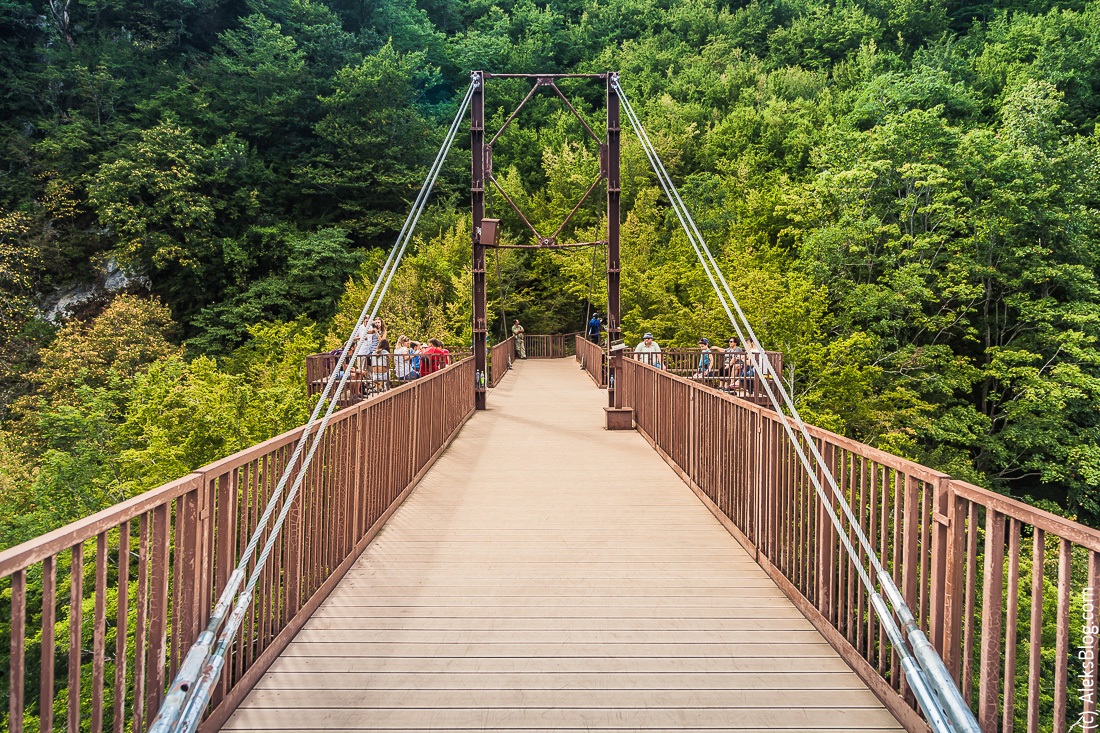
You can’t return along the bridge — it’s one-way only. From the viewing platform, you climb back up the metal steps, and there are quite a lot of them, possibly another 544. By this point, you’re completely exhausted. We got lucky — there was a small café here selling ice cream and water, and the owner was just about to leave, so he offered to give us a ride straight back to the visitor center.
But that was pure luck. Normally, after climbing the steps, you still have to walk about a kilometer along a forest path to reach the place where the taxis wait. For a one-way ride, they might agree to go for 20–25 lari.
So, the full experience:
-
Road from the visitor center to the bridge approach – 3 km (a pleasant walk if it’s not too hot),
-
Steps down – 544,
-
Bridge along the canyon – 1 km,
-
Rest and photo ops over the canyon – beautiful, no doubt,
-
Steps up – a lot,
-
Walk 1 km along the path,
-
Back to the visitor center – 3 km along the same road as step 1.
Steps 1 and 7 can be replaced by a taxi or driven yourself if you have a jeep.
So, older visitors or those with health issues should think twice — is it really worth it? And if you do decide to go, consider using a local taxi at some point.
Personally, Okatse Canyon didn’t leave me with a “wow” impression. The time and effort just weren’t worth it — or maybe it was just too hot.
Kinchkha Waterfall

If you drive 8 km further from Okatse Canyon, you’ll reach a rather beautiful spot called Kinchkha Waterfall. There’s no public transport — only a taxi.
You can stand under the waterfall to cool off and rest for an hour before heading back. I wouldn’t go out of my way just to see it — only as part of a trip covering Martvili Canyons – Okatse – Kinchkha.


