Grand Bazaar: a Guide to It’s Unusual Spots

Merhaba!
If you landed on this page from a Google search hoping to learn all the shopping secrets of Istanbul’s Grand Bazaar — close the tab, you’re in the wrong place, don’t waste your time. I have no idea where to find “Hermès” bags or other knockoffs.
But if you’re looking for unusual and interesting locations around the Grand Bazaar — genuine hidden gems — you’ve come to the right place! I’ll tell you about 10 amazing spots that aren’t in every guidebook, and that most tourists don’t even know exist, too busy running around the market hunting for Gucci.

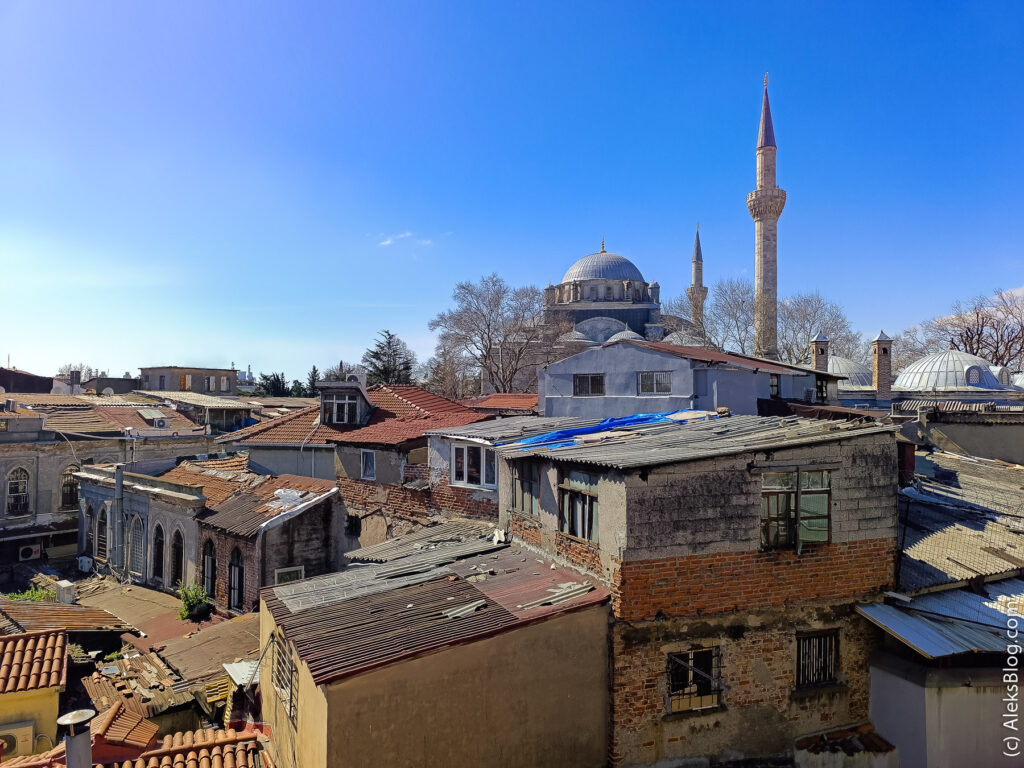
Rooftops of the Grand Bazaar.
We start at Vezneciler metro station (M2 line). And before heading to the Grand Bazaar, I suggest first stopping for a boza at the legendary Vefa Bozacısı. Where else would you drink it, anyway.
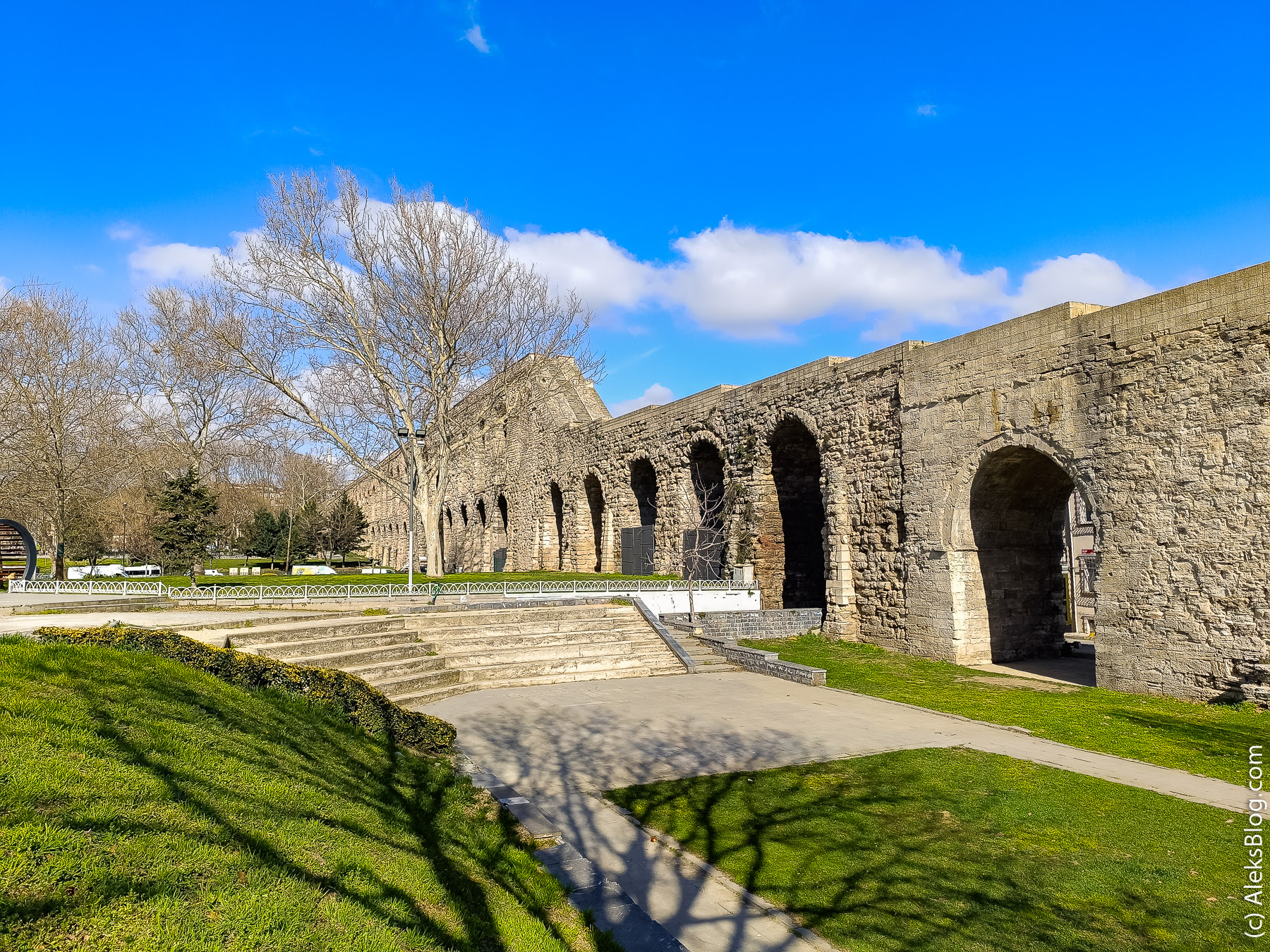
Oh, and what’s that huge thing over there… Ah, it’s the
Valens Aqueduct
Now you’re going to say — you promised unusual places, and here’s a structure visible from the other side of the strait. We’ll get there, be patient. And I didn’t actually include the aqueduct in my top ten. But how could you just walk past something this ancient, especially when it’s right on the way.

When Constantine the Great made Constantinople the new capital of the Roman Empire, the city began growing rapidly. Water became scarce, and a complex system had to be built to bring water from forests and springs dozens of kilometers away. Essentially, this is a bridge that carried water. It was built under Emperor Valens in the 4th century. Water traveled along this aqueduct from springs 250 km away, supplying the city’s palaces and fountains.
Just imagine — cars driving beneath a structure that’s nearly 1,700 years old.
Vefa Bozacısı: Where Atatürk and Orhan Pamuk Drank Boza
I originally wanted to write a separate post about this place, but decided to keep it as part of the same route, just as I discovered it myself.
What is boza: it’s a thick fermented drink made from boiled millet with added sugar. It tastes a bit like baby apple purée. It’s so thick you can eat it with a spoon. Boza is considered a vitamin bomb and a great winter warmer — traditionally it was drunk in the cold months.
In the Ottoman Empire, boza occupied a “gray zone.” Islam forbids alcohol, but fermentation gives boza a small percentage of it. And the longer it ferments, the stronger it gets. At one point there were even attempts to ban the drink — or rather its “Tatar version,” which was the strong one. Don’t worry though — the boza you’ll try today has about as much alcohol as kefir.
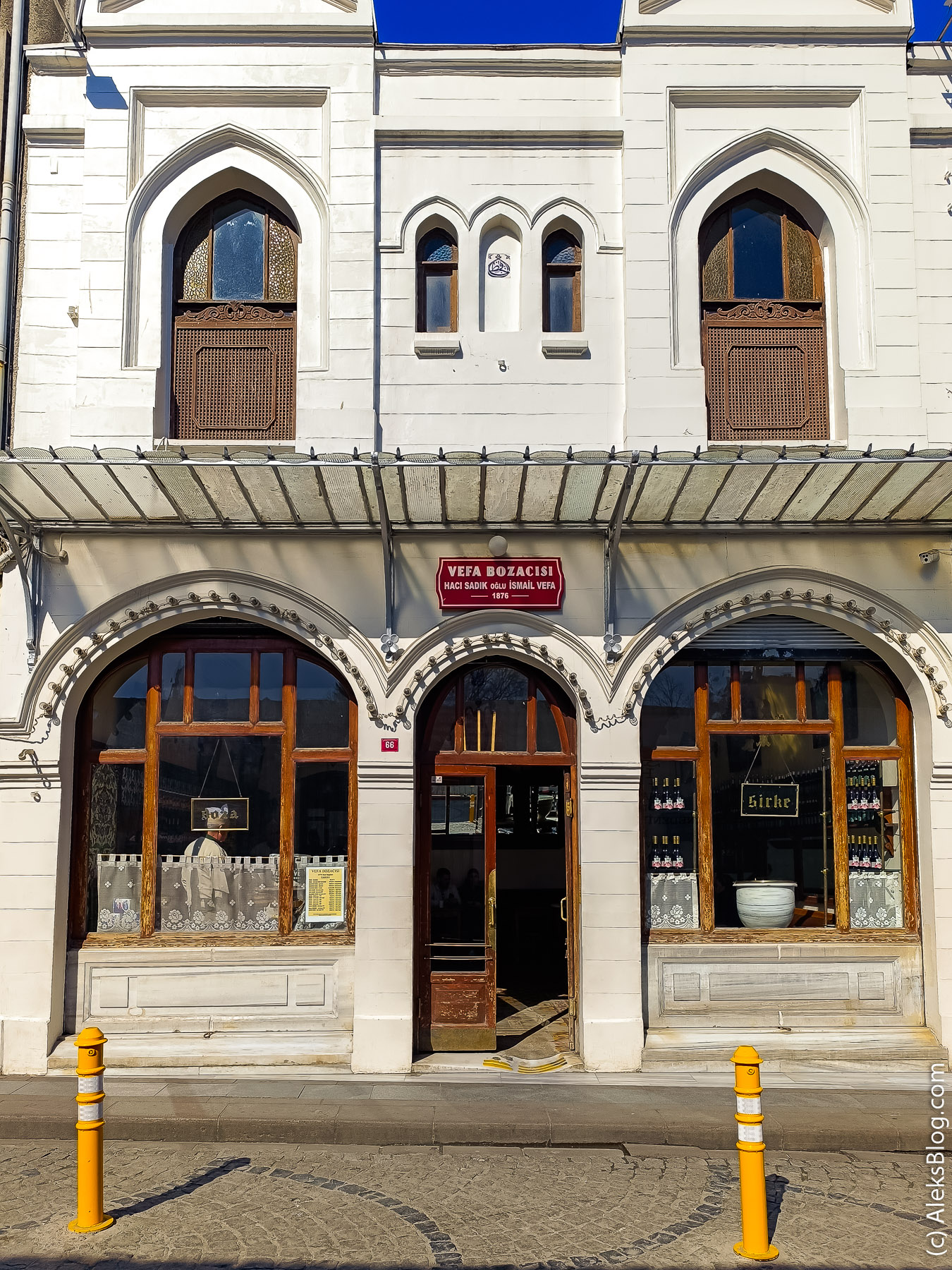
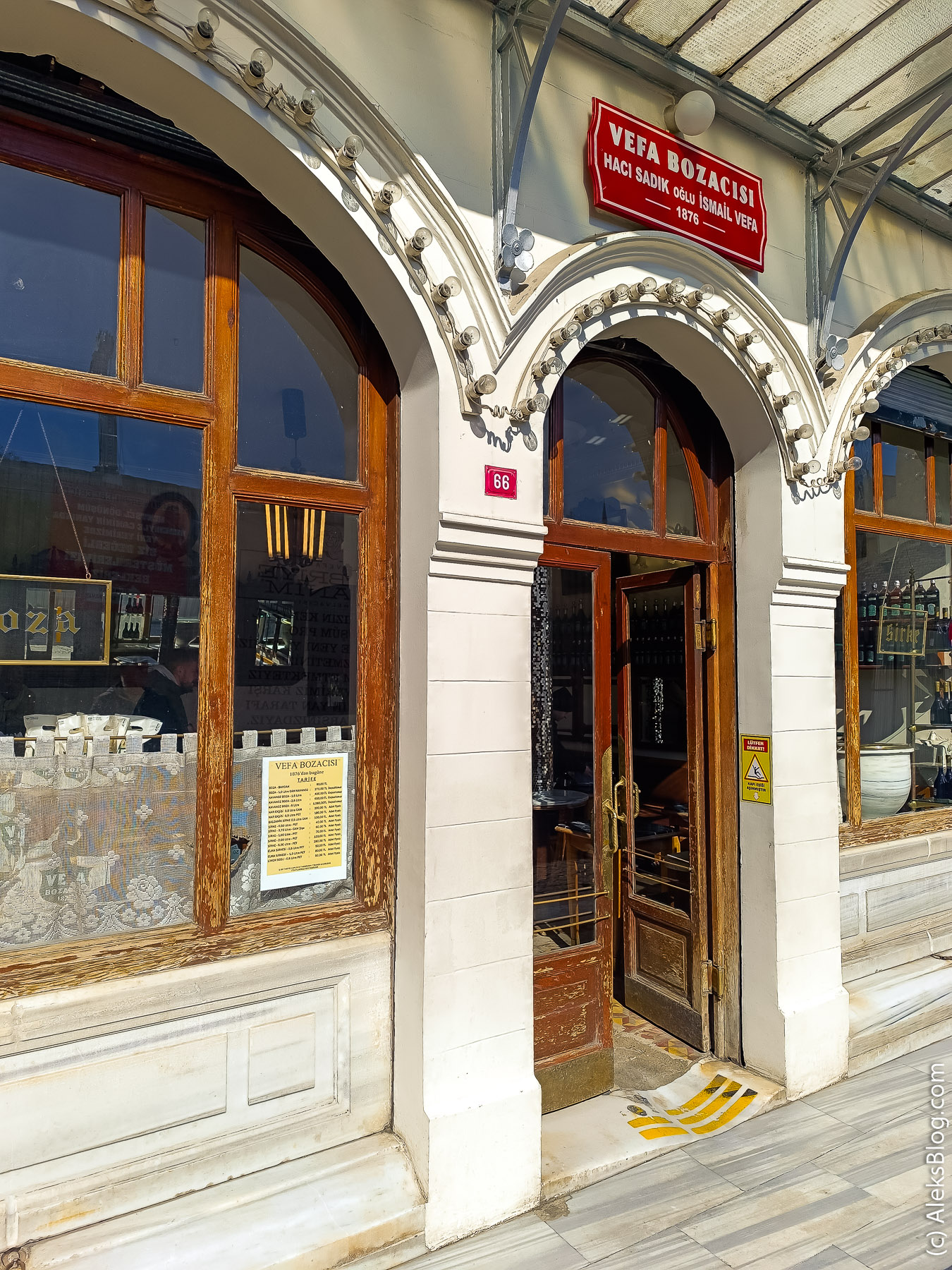
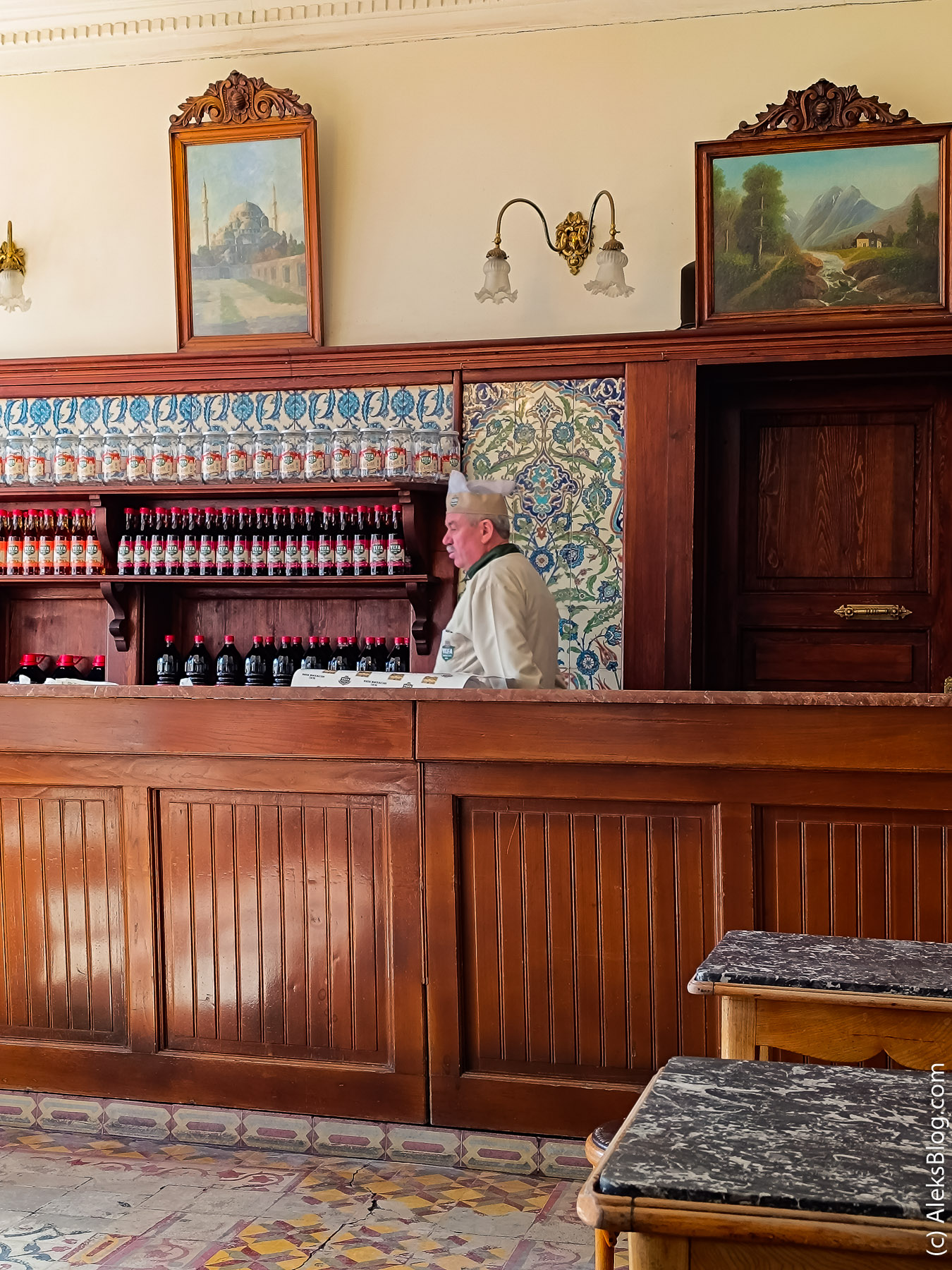
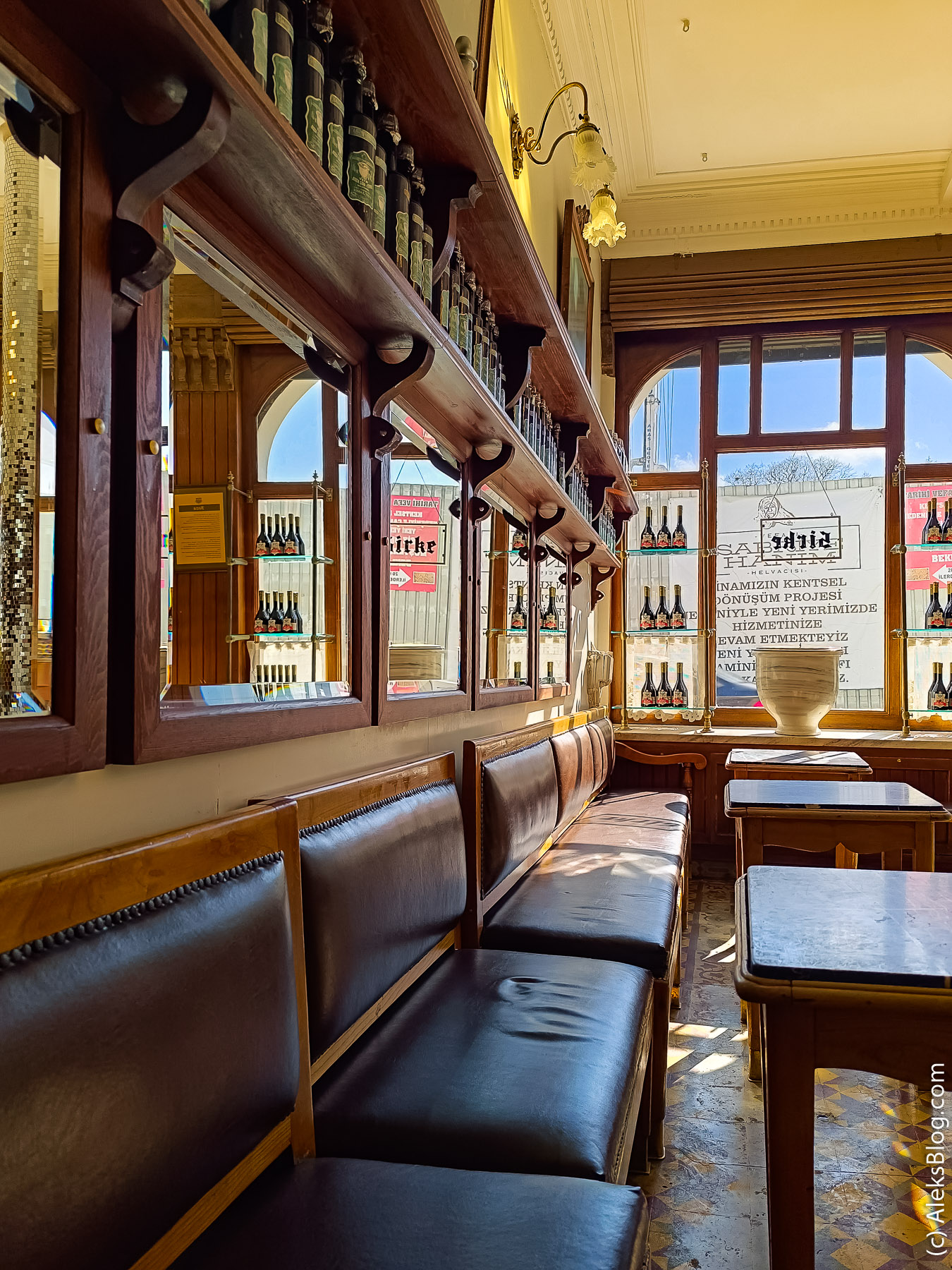
In old Istanbul, boza was a street drink: vendors walked through the night-time neighborhoods calling out a long, drawn-out “bozaaa!” It’s exactly this atmosphere that Nobel laureate Orhan Pamuk captured in his novel A Strangeness in My Mind. Its protagonist wanders the streets for decades selling boza, and the drink itself becomes a symbol of a vanishing Istanbul.
- Museum of Innocence — another Istanbul spot worth visiting if you love Pamuk’s work.
Vefa Bozacısı is the oldest boza shop, operating since 1876. Inside, almost everything looks the way it did a hundred years ago. They still make that same thick drink using the classic recipe. And as a relic, they display the very glass Mustafa Kemal Atatürk drank from in 1937.


The Gates of the Grand Bazaar
Istanbul’s Grand Bazaar has 22 entrances (gates) leading to its 66 internal streets. The main gate is considered to be Nuruosmaniye, next to the mosque of the same name.
I suggest heading to a different gate instead — Beyazıt. It’s located across from Beyazıt Square and Istanbul University. If this is your first time in the area, step into Beyazıt Mosque (one of the oldest mosques of the Ottoman Empire, built in the 15th century).
Beyazıt Gate: Why There’s a Sultan’s Seal on the Grand Bazaar
Everyone rushes past on their way into the world of Turkish fashion. But we’re after something different. Look at the gate, at the inscription above the arch, and above that — some kind of “ornament.” That’s the tughra (seal) of Sultan Abdul Hamid II — a symbol of the Grand Bazaar’s revival after a disaster.
In July 1894, a massive earthquake struck Istanbul, practically wiping the Grand Bazaar off the map. The vaulted ceilings collapsed, many streets were reduced to ruins, and trade came to a complete halt. It was an economic shock for the city, since the bazaar was the financial heart of the empire.
Sultan Abdul Hamid II took personal charge of rebuilding the market. He allocated enormous sums from the treasury as well as personal donations to reconstruct the bazaar. The reconstruction took four years.
Placing the tughra above the Beyazıt gate served two purposes: a mark that the site stood under the ruler’s own protection, and a memorial to the Grand Bazaar’s restoration.

Sahaflar: A Book Market Older Than the Ottoman Empire
We don’t go through the gate into the market itself. Instead, we walk on down the street, admiring suitcases and sunglasses, soaking in the crowds, the noise of the bazaar, offers to check out T-shirts — “we’ve got all sizes, even yours.” We continue until we reach the sign for Sahaflar Bazaar (map link). This is the book market.
This spot has been a book market since Byzantine times. Later, during the Ottoman period, manuscripts and textbooks were sold here for students of the neighboring university and the madrasa attached to Beyazıt Mosque. The word “sahaf” literally means “used-book seller.”
Almost nobody comes here, it’s very quiet. Perfect for escaping the hustle of the Grand Bazaar. Nearly all the books are in Turkish, but you can find old Ottoman miniatures and photographs of 1950s Istanbul. It’s a good place to hunt for a non-touristy souvenir. There’s also a free restroom here (just in case that boza didn’t sit well).


The Rooftop Viewpoint of the Grand Bazaar
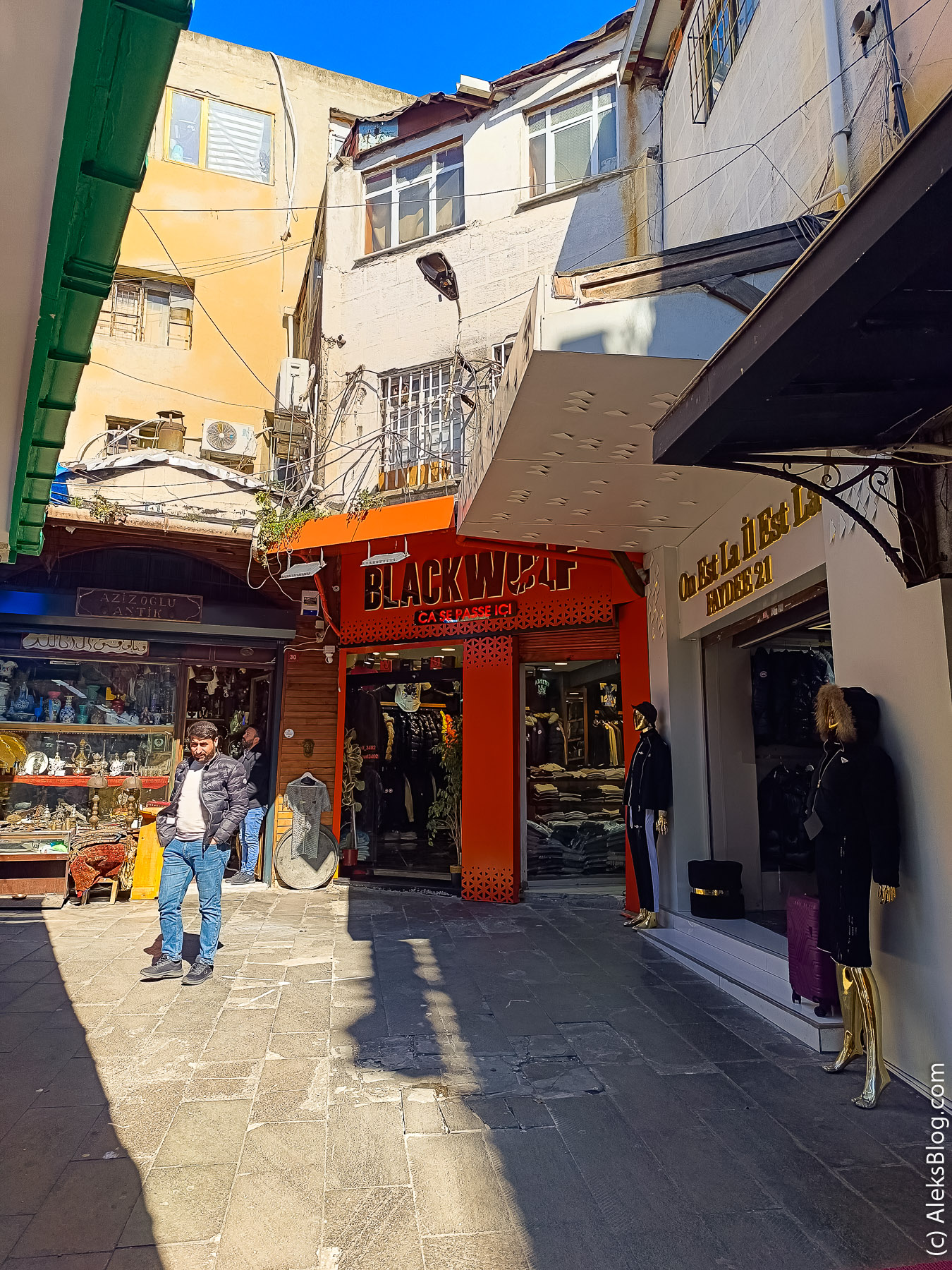
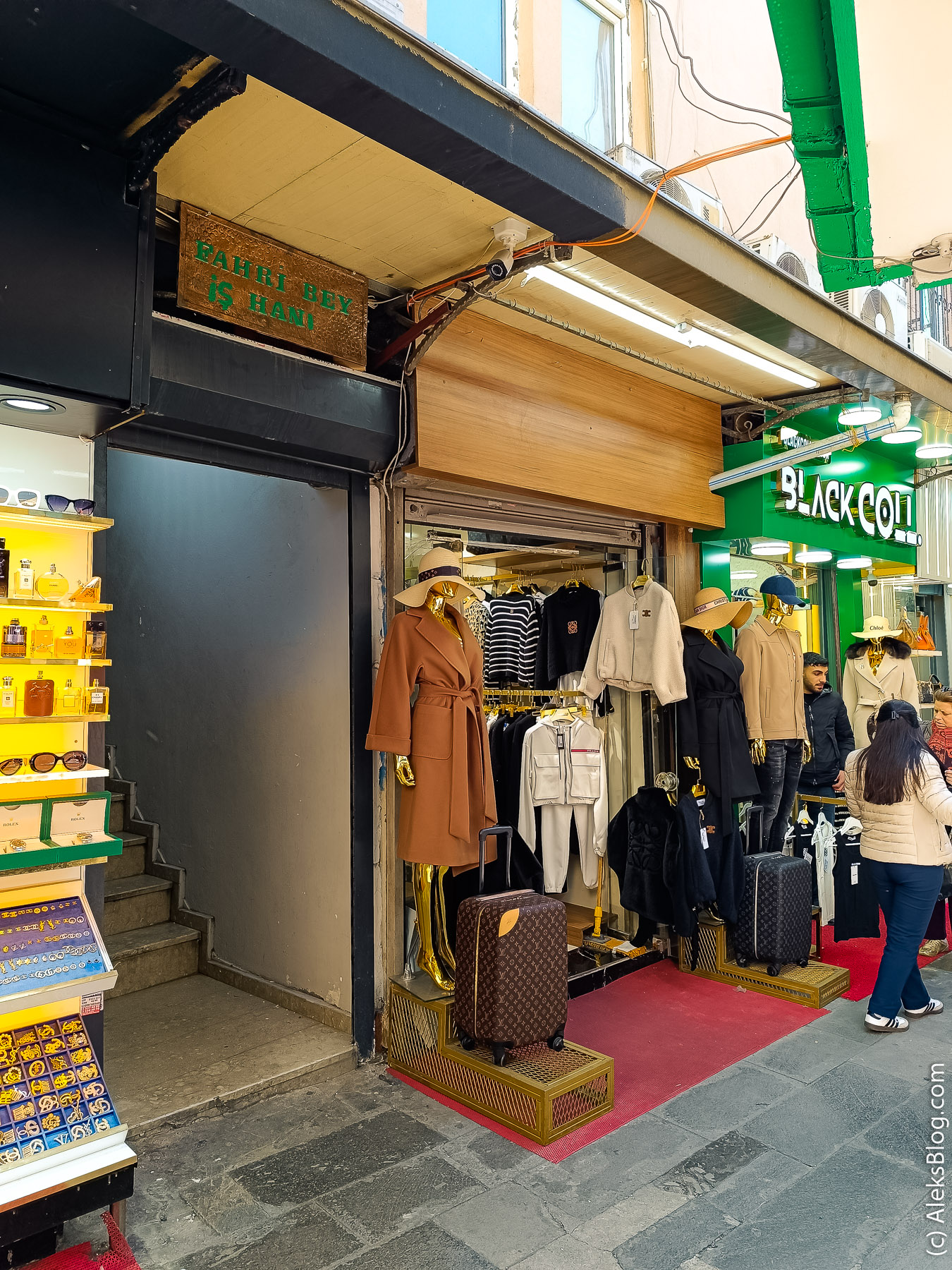
Now for a bit of a quest. Head to this point — Fahri Bey Han. If Google Maps doesn’t get you oriented, look for Lutfullah Kapısı — another entrance to the Grand Bazaar. Local vendors might not know Fahri Bey Han by name, but they’ll definitely know the Lutfullah entrance. Security guards at any entrance will be able to point you in the right direction.


Ignore everyone and everything, climb the spiral staircase all the way to the top. Grab a tea (cash only), sit down at a table, and take in the view.
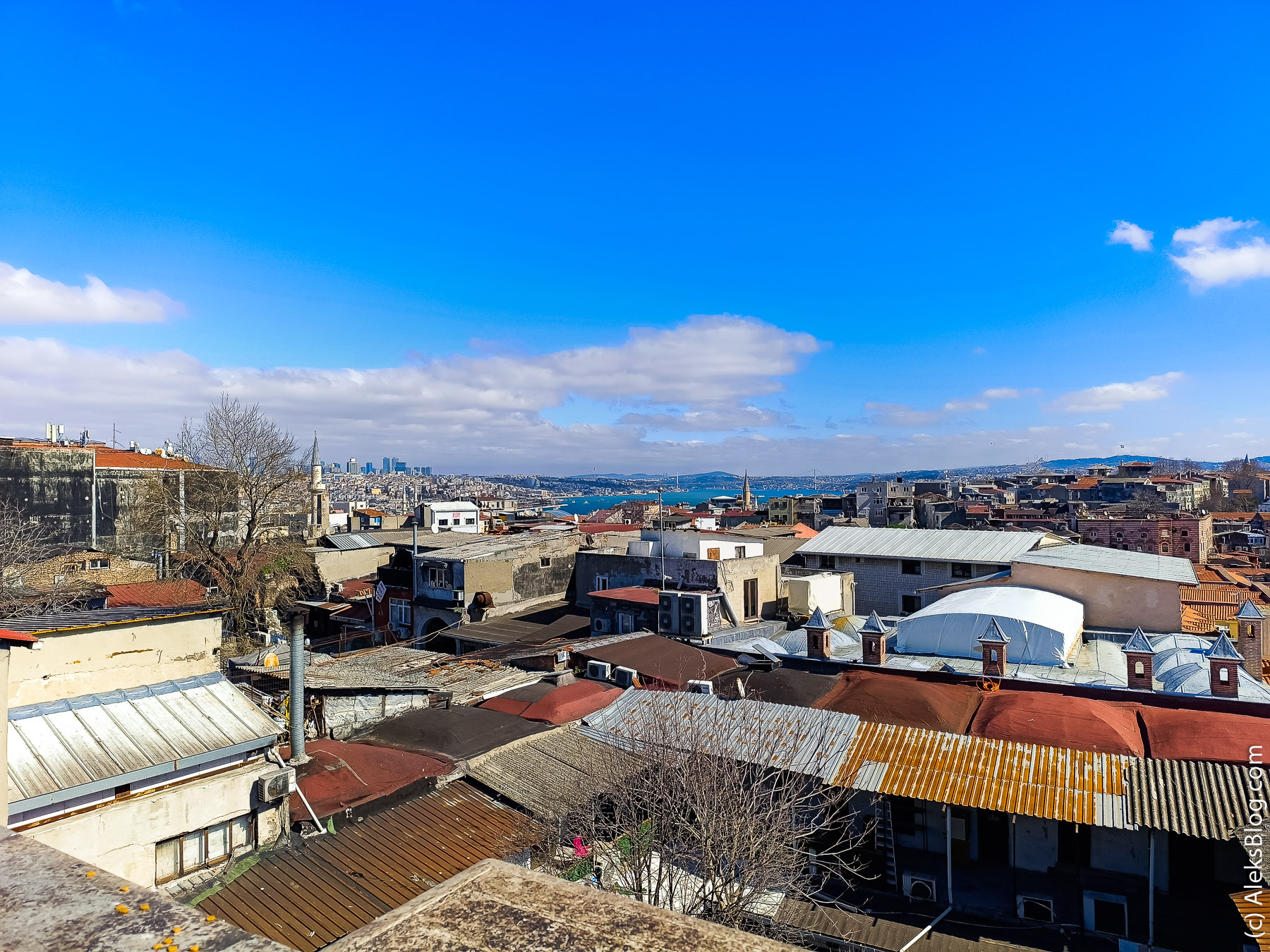
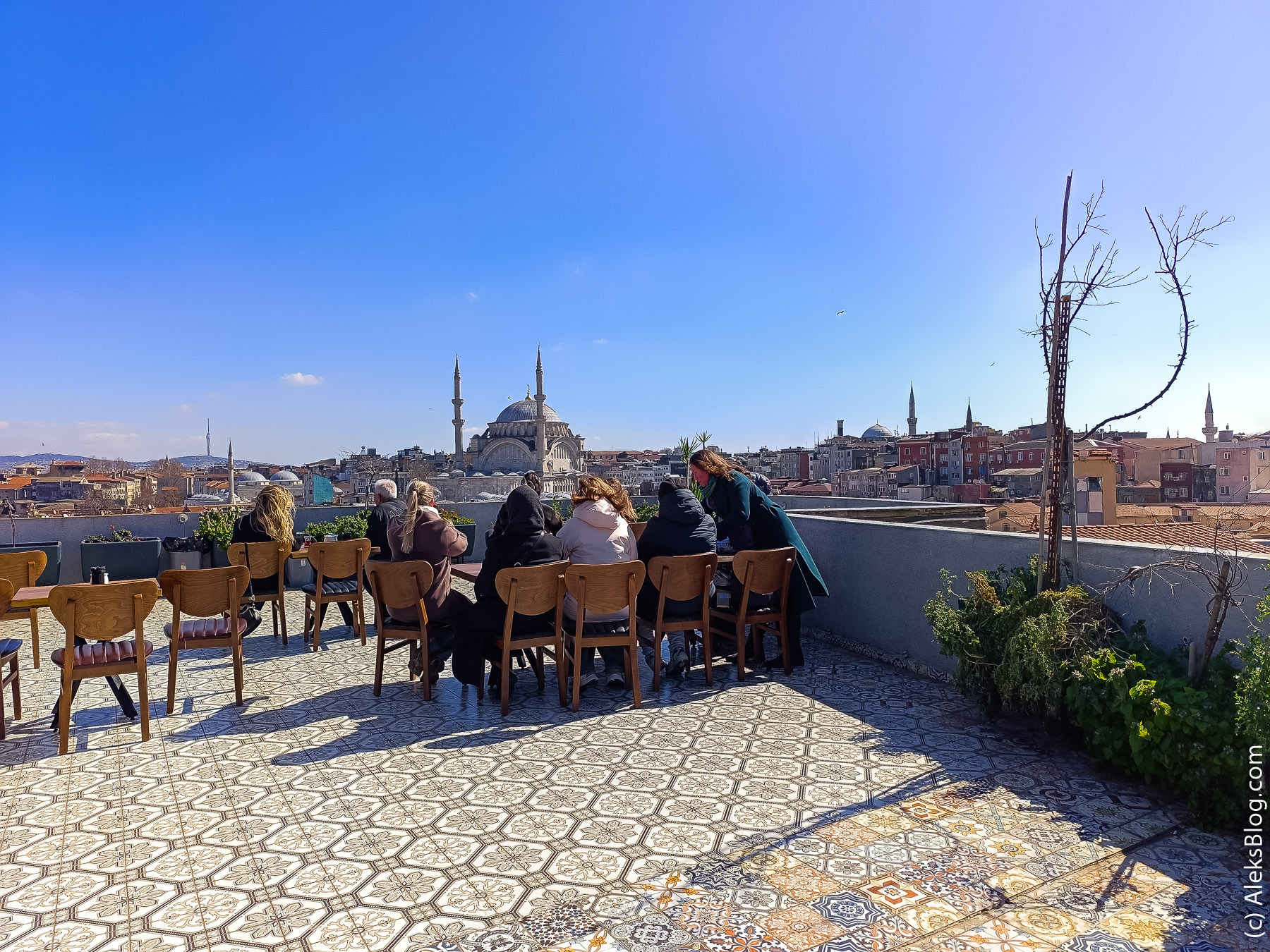
While you’re finishing your tea: if you’d rather not go searching on your own and want some company, here’s a great option:
The Hans of the Grand Bazaar
Now for the main point of this Grand Bazaar walk. But before we dive into the back alleys, a quick primer.
- Bedesten — old stone buildings with thick walls, where the most valuable goods were sold: gold, fabrics, jewelry. The Ottoman Empire’s “safe.”
- Caravanserai — an inn for trade caravans, located along caravan routes outside the city.
- Han — an urban caravanserai. Inside there’s a courtyard, surrounded by warehouses, workshops, shops, and sometimes lodging. Merchants would arrive, stay, store their goods, and trade right there.
- Büyük — Turkish for “big.” Sometimes added to a han’s name.
The Grand Bazaar isn’t just its covered streets — it’s a whole network of hans surrounding it, plus two main bedestens: Cevahir and Sandal.
Historically, Istanbul was the world’s main trading hub, so an incredible number of hans were built. In the golden era (16th–18th centuries), there were 300 of them. And these were entire ecosystems — hotel, bank, exchange, sellers, buyers, all in one. To this day, 180 hans survive in the Fatih district, with 20 directly adjoining the Grand Bazaar.
I picked five that are worth seeing. I’ll describe them below not in the order you’d visit them, and I’ll link each specific location — at the end of the post you’ll find a link to the whole route.
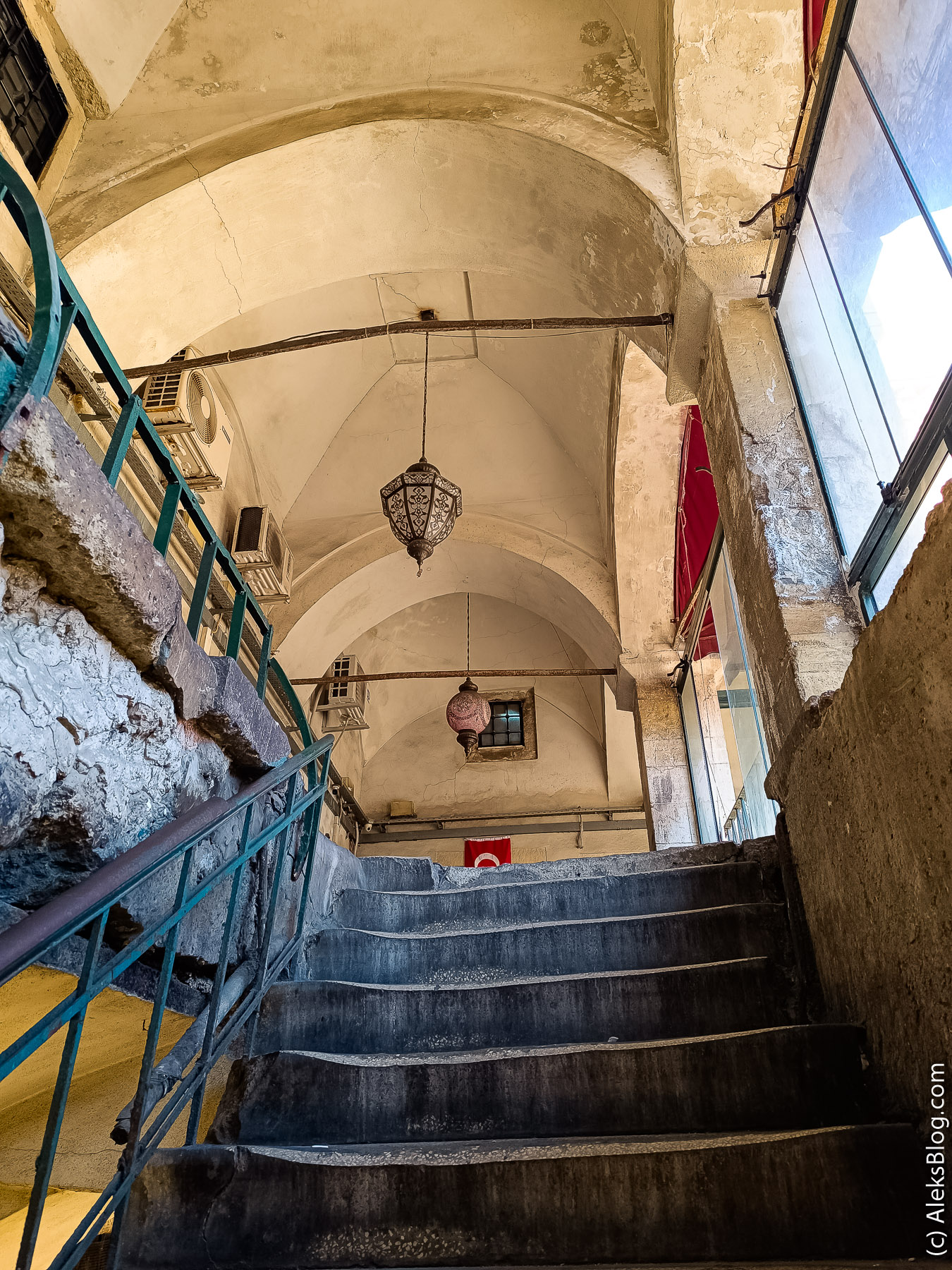

Büyük Valide Han
Built in the 17th century, commissioned by the legendary Kösem Sultan. It’s one of the largest hans in Istanbul. A vast inner courtyard with a real sense of abandoned history. Labyrinths of corridors and workshops.
Kösem Sultan was the most powerful woman in Ottoman history. Her sons, and later her grandson, came to the throne either very young or incapable of ruling. Kösem Sultan officially governed for almost 30 years. She was immensely wealthy. The end of her story — she was murdered in a plot orchestrated by her daughter-in-law.
This han became popular after the release of Skyfall, the James Bond film. One scene featured a motorcycle chase filmed on the rooftops of Valide Han. Naturally, tourists started seeking the place out. At first, locals would “open the door” for a small fee. Now they’re asking for 1,000 lira. Paying 20 euros wasn’t in my plans. If you want in, ask the vendors near the entrance — they’ll point you to the right person.
Instead, I’d recommend stopping at this café (map link), which has its own terrace with a view over the rooftops of the Grand Bazaar. Very authentic. A truly stunning historic spot. Coffee is just 150 lira (about 3 euros). It’s hard to find using navigation alone — once you’re nearby, ask local vendors for the “Rooftop Cafe” and they’ll show you the way. There should have been photos here, but at the time I decided to shoot video instead, and I’ve been too lazy to edit it since. Sorry about that.
Büyük Yeni Han
This han was built in 1764. Thanks to its arches and staircases, filmmakers love it — Turkish TV series are often shot here.
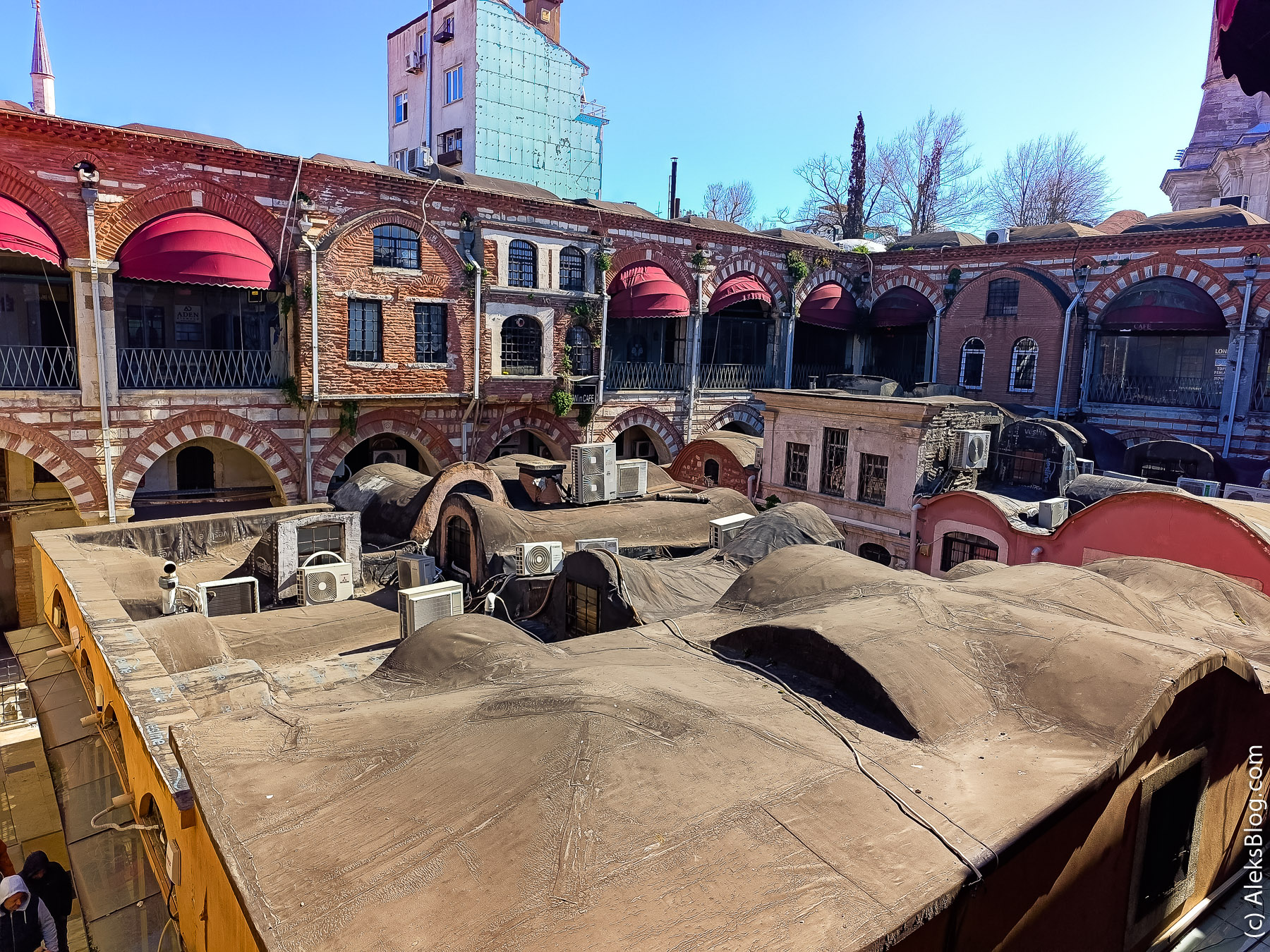
Cuhaci Han
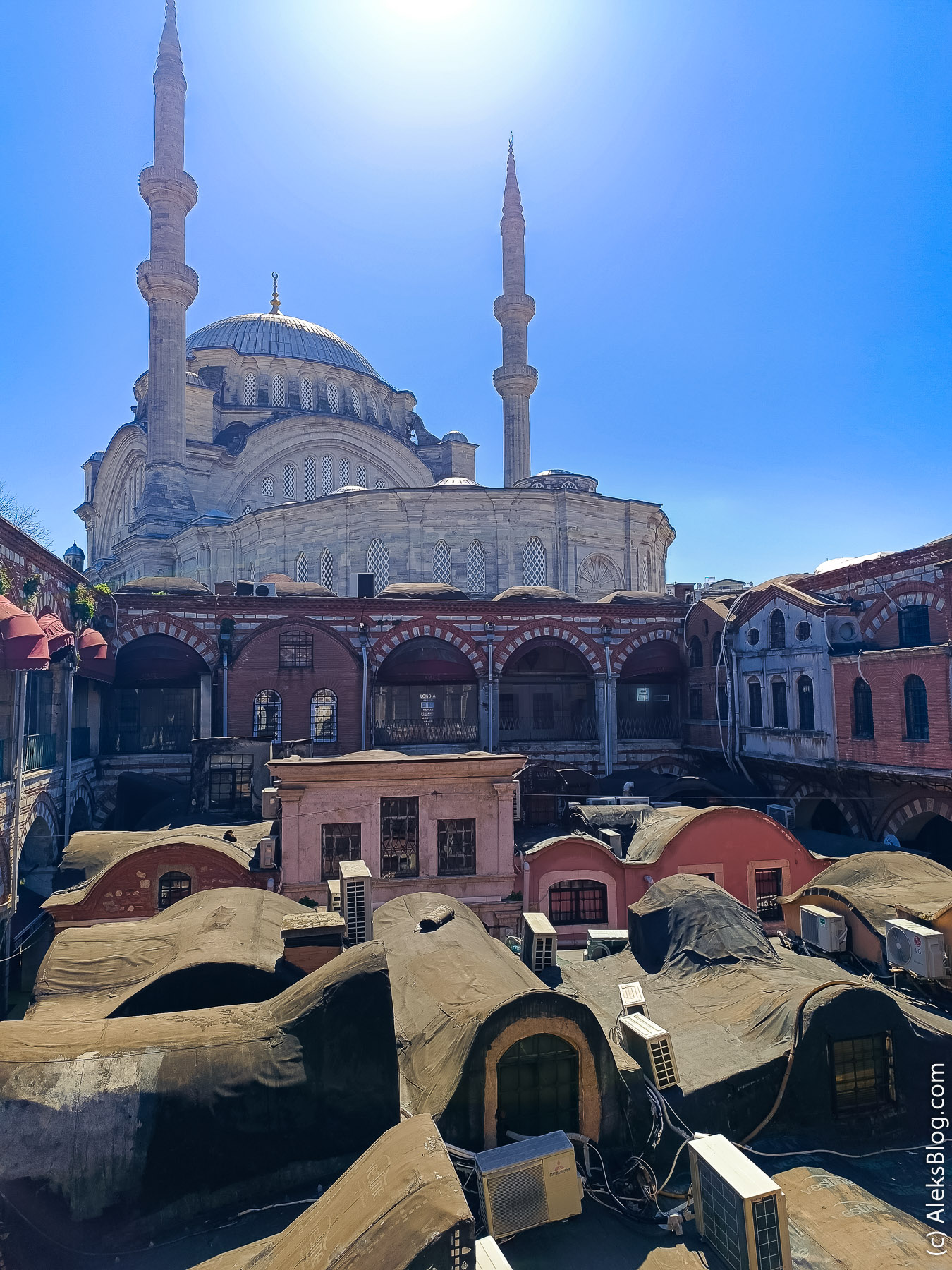
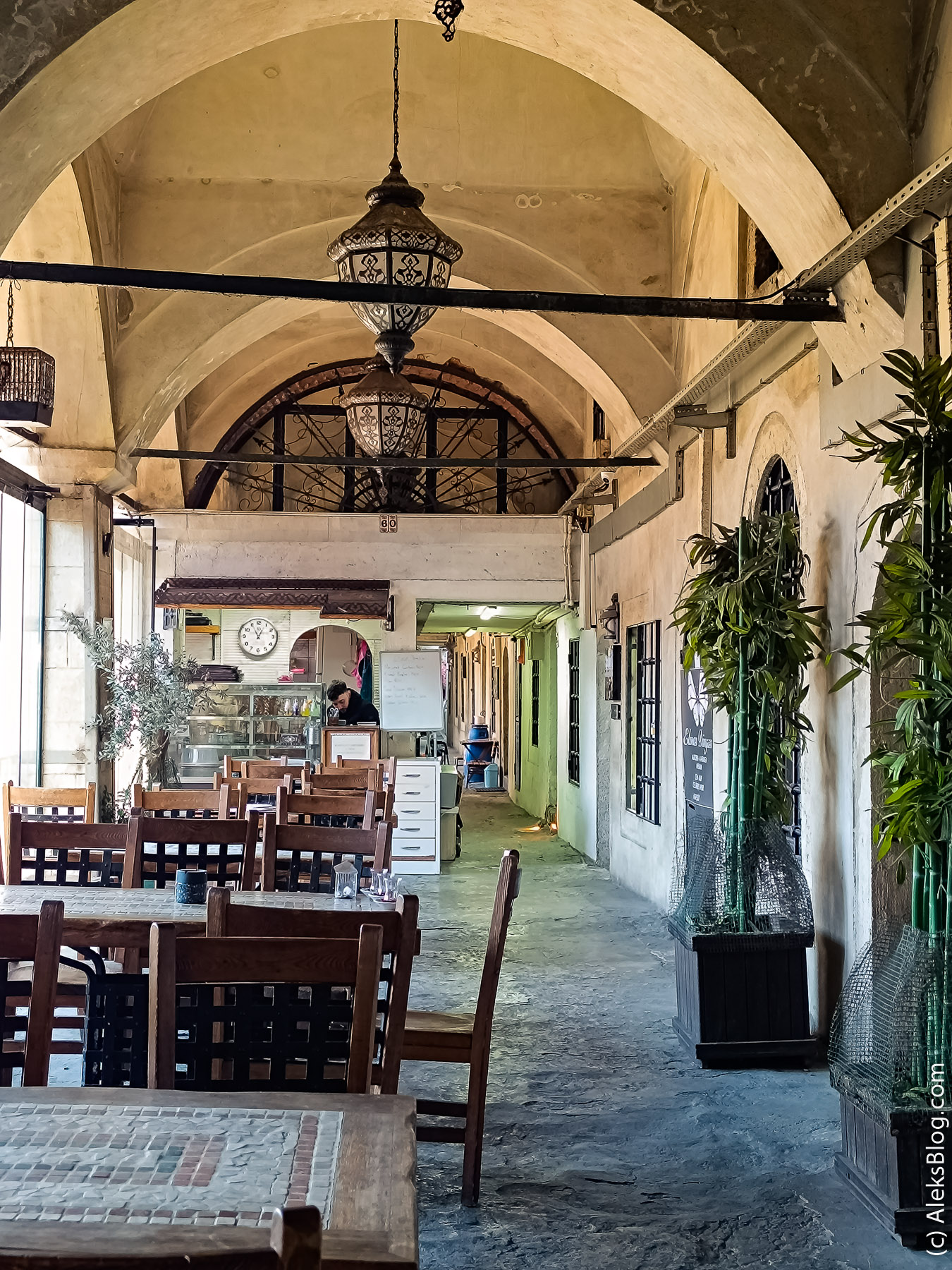
Cuhacı Han
Cuhacı Han is named after cloth merchants, and it was originally a fabric-trading hub. During that same devastating earthquake, the han suffered heavy damage. After it was rebuilt, the mix of merchants changed — fabric was no longer especially profitable.
The han was located near the bedesten where gold and gemstones had been traded for centuries. As demand for jewelry in Istanbul grew, jewelry workshops needed to expand and began taking over neighboring areas. With its sturdy walls and convenient location, Cuhacı Han became an ideal branch for goldsmiths.
In the 19th century, Cuhacı Han became the headquarters of Armenian jewelers. Trading and appraisal took place on the lower floors, while craftsmen worked in the workshops above. And that’s roughly how it still works today.
Zincirli Han
Zincirli means “chained” in Turkish. In the old days, jewelry was traded here, and at night the gates were locked with heavy chains. In my opinion, this is the most photogenic and peaceful han. It’s clean and well-kept, with fewer tourists. You can take photos and rest in the shade of the tree growing in the middle of the courtyard.
Yıldız Han
Yıldız means “star” in Turkish. It used to be one of the most prestigious hans for jewelers. Today, it’s another quiet corner amid the crowded Grand Bazaar. White walls, clean, few people around.

Diri Han
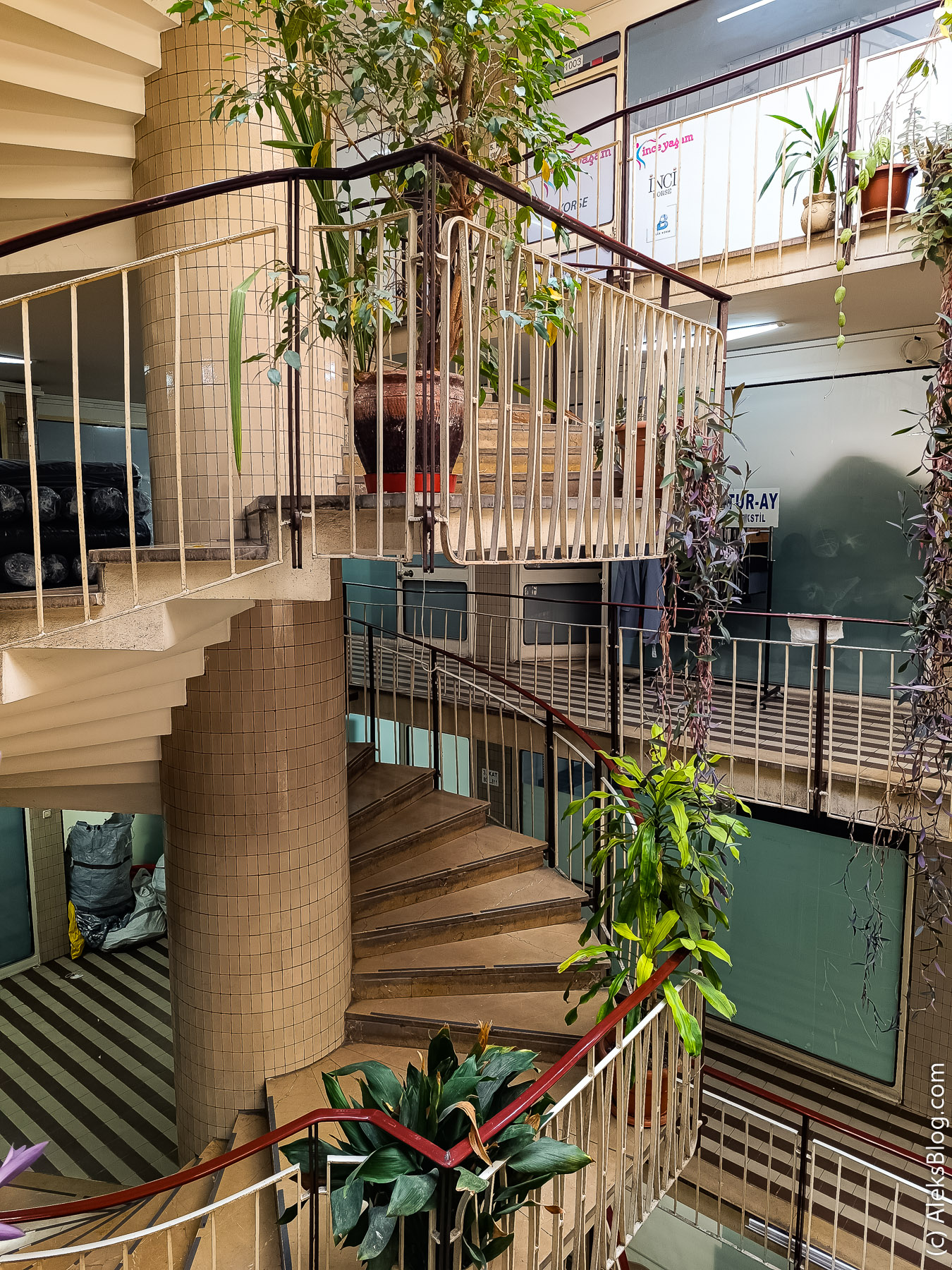
Time to move from ancient stone to modern times. Diri Han isn’t tucked inside the maze of the Grand Bazaar — it’s closer to the exit, back toward civilization. Built in the early 20th century, it’s not a classic domed Ottoman caravanserai but a modern “business han.”
Its unusual spiral staircase and an almost perfect well of diffused light have made it one of the city’s top photo spots.
Wholesale fabric and accessories traders occupy every floor. They don’t mind visitors, but only Monday through Friday, 9 am to 4 pm. In the evenings things get busy with deliveries and you might get shooed away. They’re not fond of professional photo shoots — if you start setting up outfit changes and lighting gear, they’ll ask you to leave or pay a fee. Otherwise, a simple “merhaba” and a smile solves every problem. Head all the way to the top.

Overall, minus Vefa and the boza stop, here’s the route we took through the Grand Bazaar — click for Google Maps.
If you’re not tired yet, here are two more places you could head to next: The Sultan’s Secret Pavilion and the Vault of a Turkish Bank. These are already outside the Grand Bazaar, closer to the waterfront.