
Vardzia Cave City

The cave city of Vardzia is a unique place in Georgia. Among tourists, it’s less known than Uplistsikhe, but that’s only because Uplistsikhe is just an hour’s drive from Tbilisi.
If you’re wondering whether it’s worth going or not, I can tell you for sure – Vardzia is definitely worth a visit! And it’s best to combine it with a trip to Akhaltsikhe and Rabati Fortress.
I share my journey to Vardzia Cave City — a breathtaking 12th-century cave complex carved into Erusheti Mountain. Learn how to get there, explore its hidden chambers, and uncover its rich history. Practical tips, personal insights, and must-see highlights for your visit.

How to get to Vardzia
The journey is quite long from any major city in Georgia, whether it’s Tbilisi, Batumi, or Kutaisi. I’d recommend getting to Borjomi, staying overnight, enjoying some mineral water, and from there you can make a trip to Vardzia and at the same time visit Rabati Fortress in Akhaltsikhe.
How to get there by car
The entire stretch from Borjomi to Vardzia (Google Maps link) is on a well-paved road. The road from Batumi to Borjomi is also excellent, passing through Kutaisi.
The most cost-effective way to rent a car in Georgia is through LocalRent. Why – I explained in detail in my article about car rentals and driving in Georgia.
Excursions
Whether from Batumi or Tbilisi, a trip to Vardzia is a full-day journey. Prices start at $40 for a group tour. All options are here.
Taxi
You can bargain with taxi drivers in Tbilisi, Batumi, or Borjomi. Use the prices on the gotrip.ge service as a reference. I traveled with them this year from Batumi to Kutaisi, and we also stopped at Prometheus Cave and the Martvili Canyons – I really loved it. In the end, it was even more convenient and cheaper than a tour.
How to get there by minibus
It’s complete madness, and I would never choose this option myself, but here it is.
To get from Borjomi to Vardzia by minibus, you first need to get to Akhaltsikhe. Minibuses from Tbilisi to Akhaltsikhe depart from Didube Bus Station starting at 8 a.m., every 40 minutes. The journey takes 3 hours.
From Borjomi to Akhaltsikhe, there are several minibuses in the morning and afternoon. From Akhaltsikhe to Vardzia, there’s also a minibus. The last minibus from Vardzia leaves at 6 p.m.
If you take the first minibus from Borjomi to Akhaltsikhe, you can visit Rabati Fortress and then catch the 12:20 minibus to Vardzia. The Akhaltsikhe – Vardzia route is popular, so it’s best to arrive at least half an hour before departure.
Opening hours and admission fees
Open daily from Tuesday to Sunday, 10:00 a.m. to 6:00 p.m.
Admission:
Adults – 15 lari, children under 6 – free.
How long the visit takes – at least 2 hours. Climbing the stairs and wandering through the caves is really engaging, very much in the spirit of Indiana Jones.
From the ticket office to the hill where the caves begin, you need to walk about 500 meters uphill along the road. You can also take a minibus for 4 lari.


Near the car park, there’s a small restaurant with very reasonable prices! I definitely recommend stopping by.
The cave city of Vardzia

Vardzia is a cave city built into a sheer tuff cliff. It had living quarters, libraries, storage rooms, baths, dining halls, and churches. In total, there are 600 rooms spread over 8 levels.
Construction was started by King George III, the father of the legendary Queen Tamar.
Ak var, dzia!
Legend has it that once little Tamara was playing hide-and-seek here with her uncle. When he couldn’t find her, she came out saying, “Ak var, dzia!” (I’m here, uncle!). That’s how the name Vardzia came about.
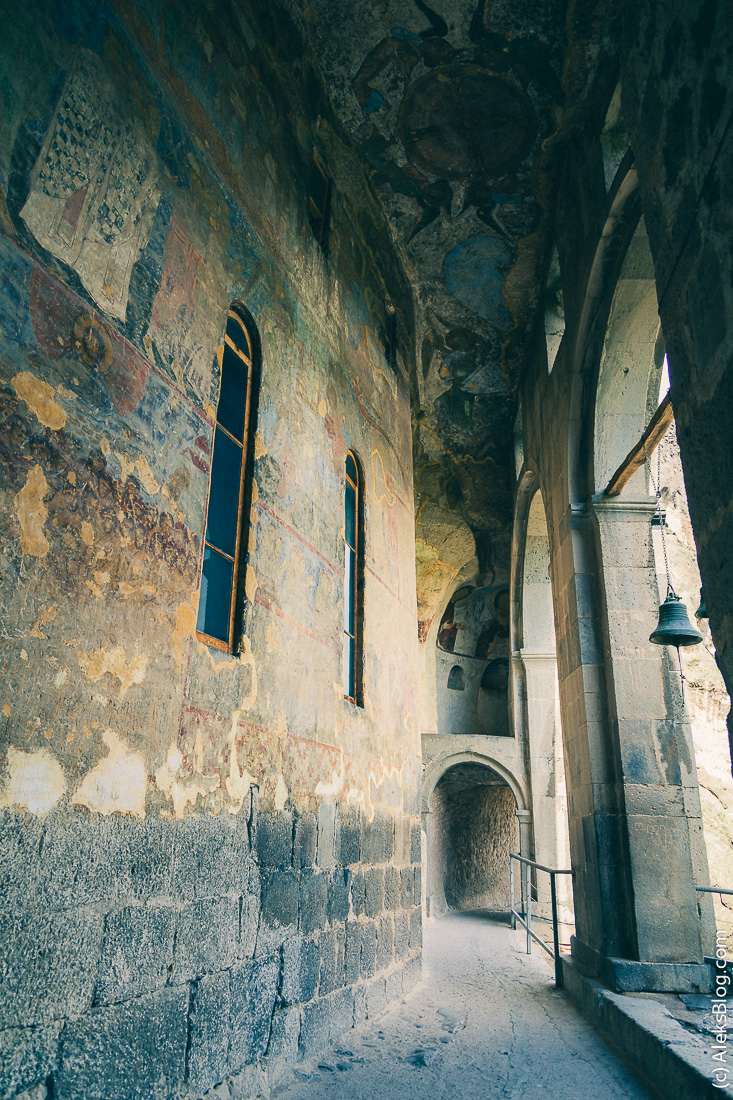
In 1184, after the death of George III, Queen Tamar built the Assumption Church in Vardzia – the center of the entire cave city. This is where it all began.

Around the same time, the first monks also arrived in Vardzia.
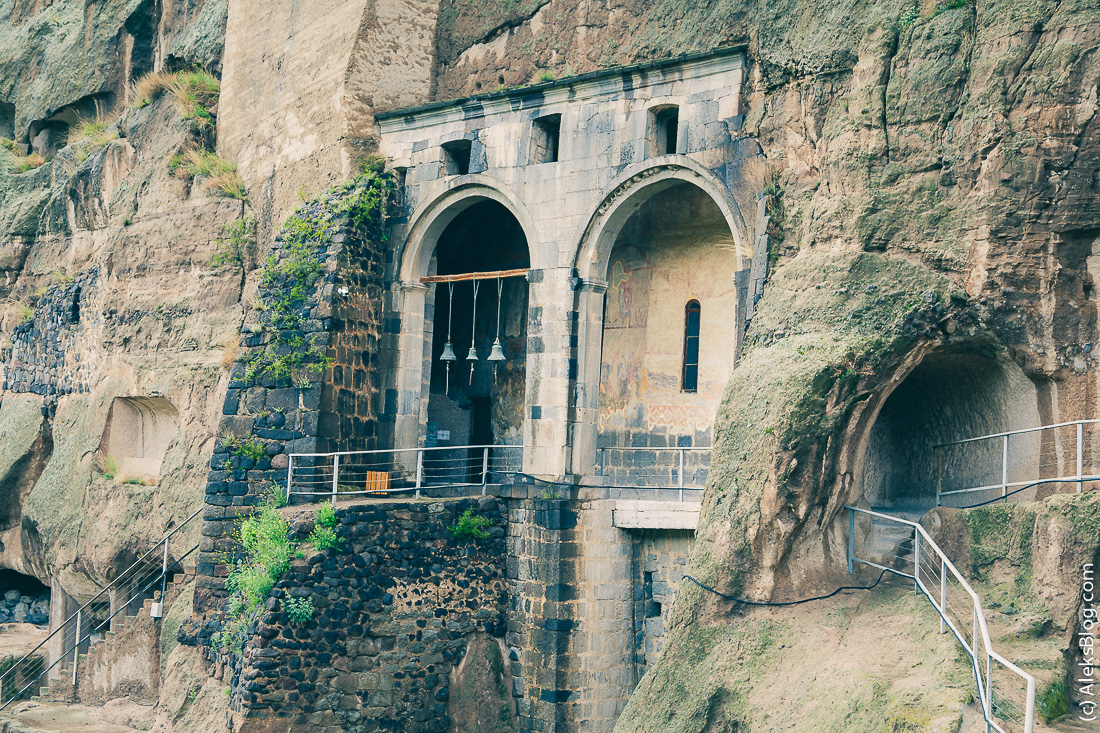
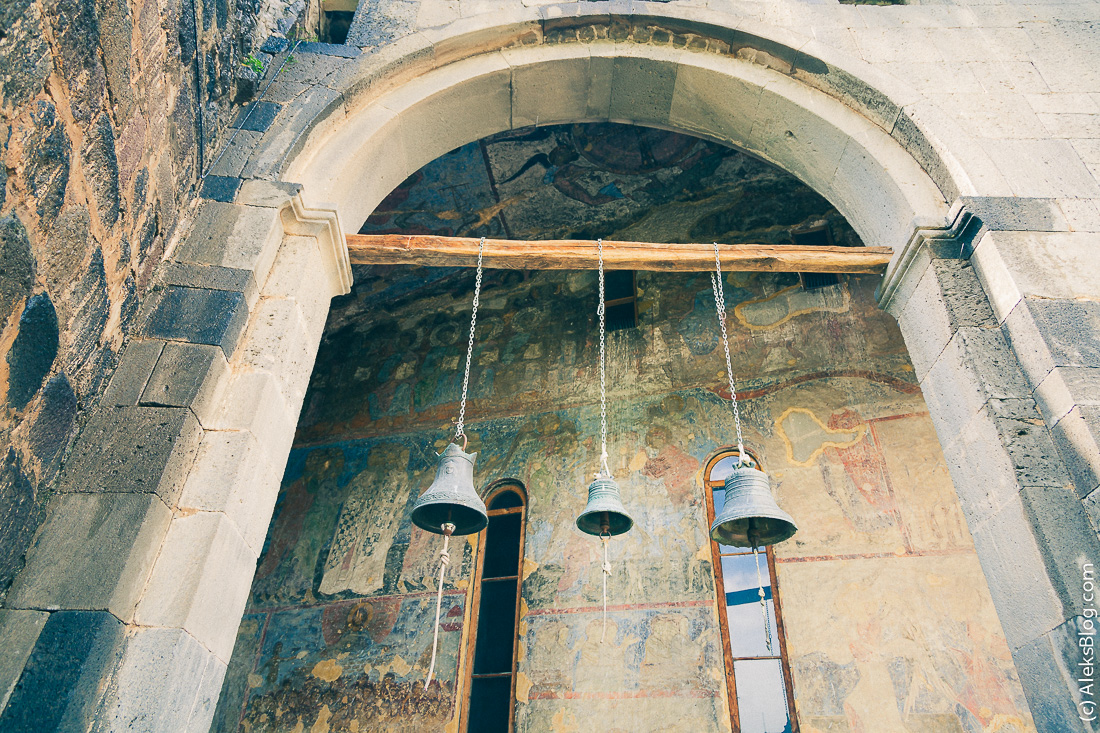
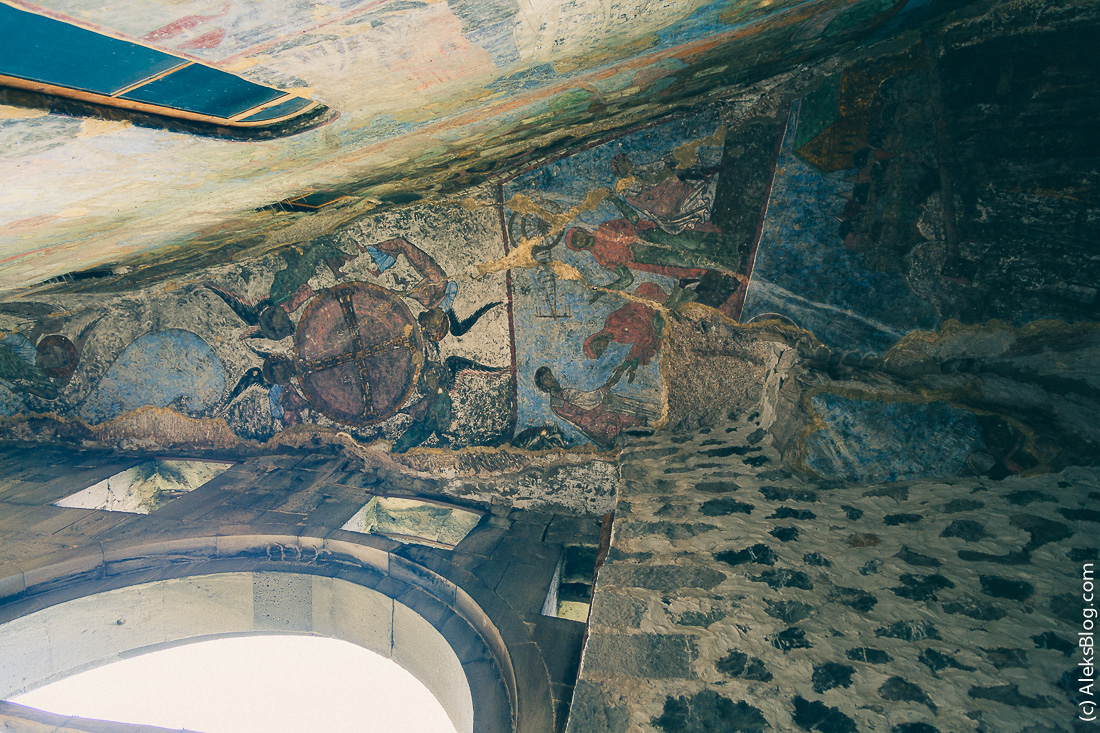
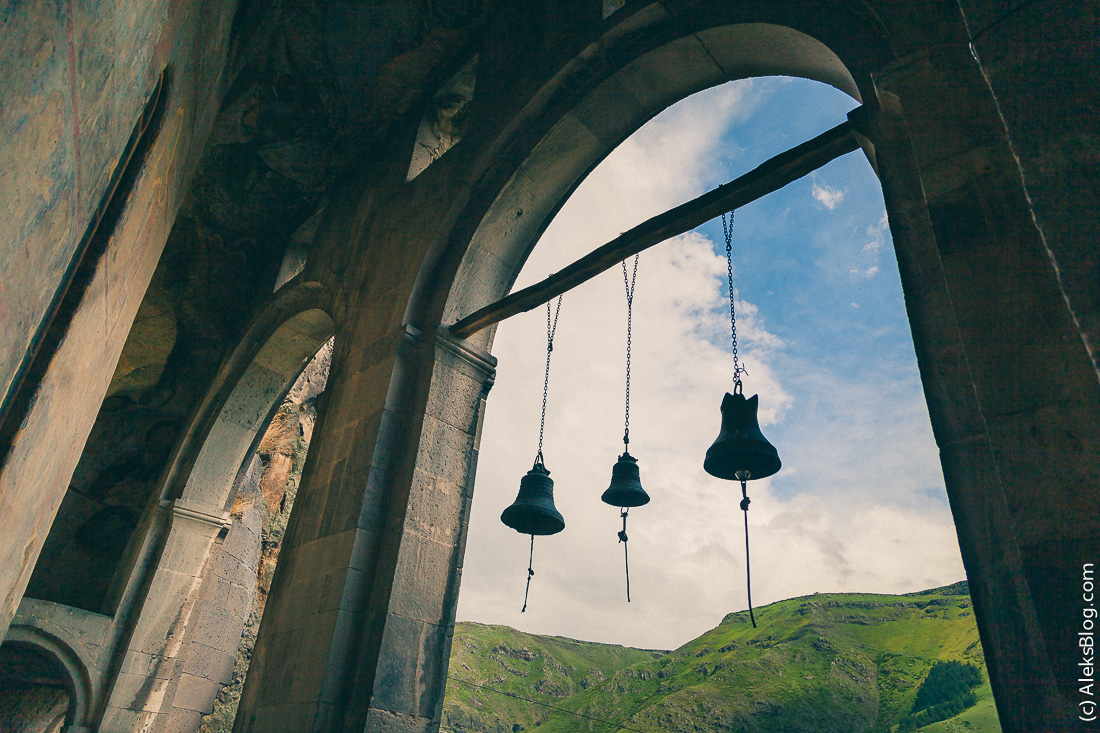
The largest phase of construction lasted until 1205, when first the monastic cells were built around the Assumption Church, and then rooms for various purposes began to be constructed in all directions.
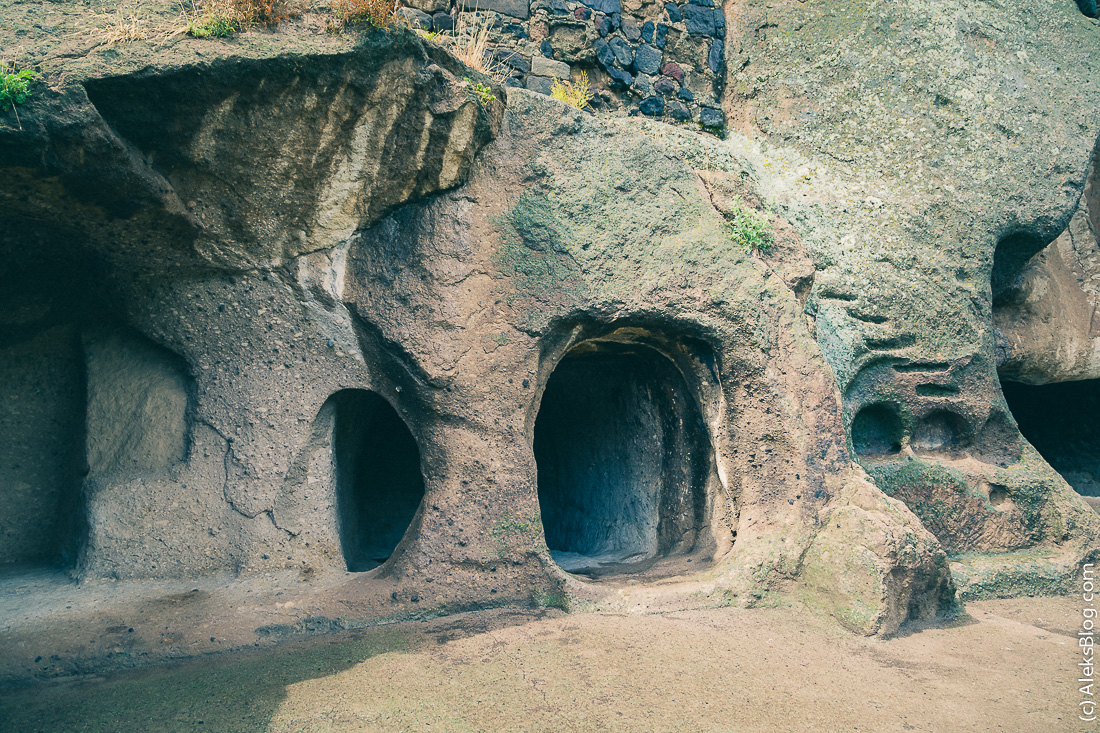
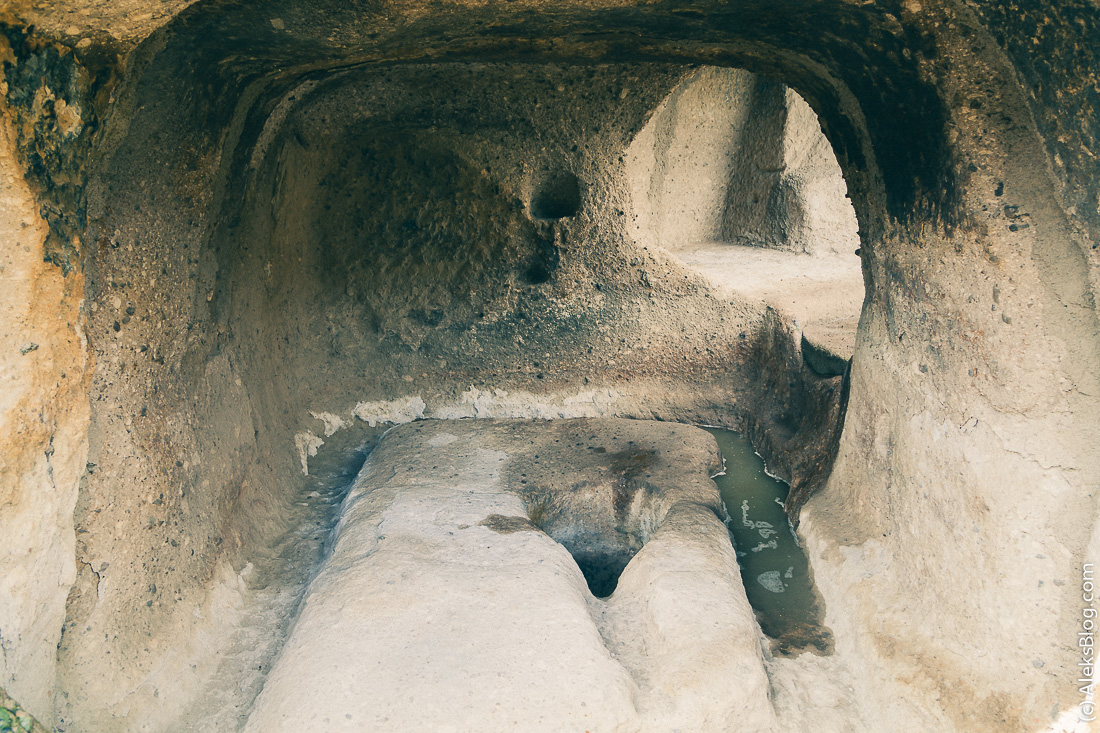
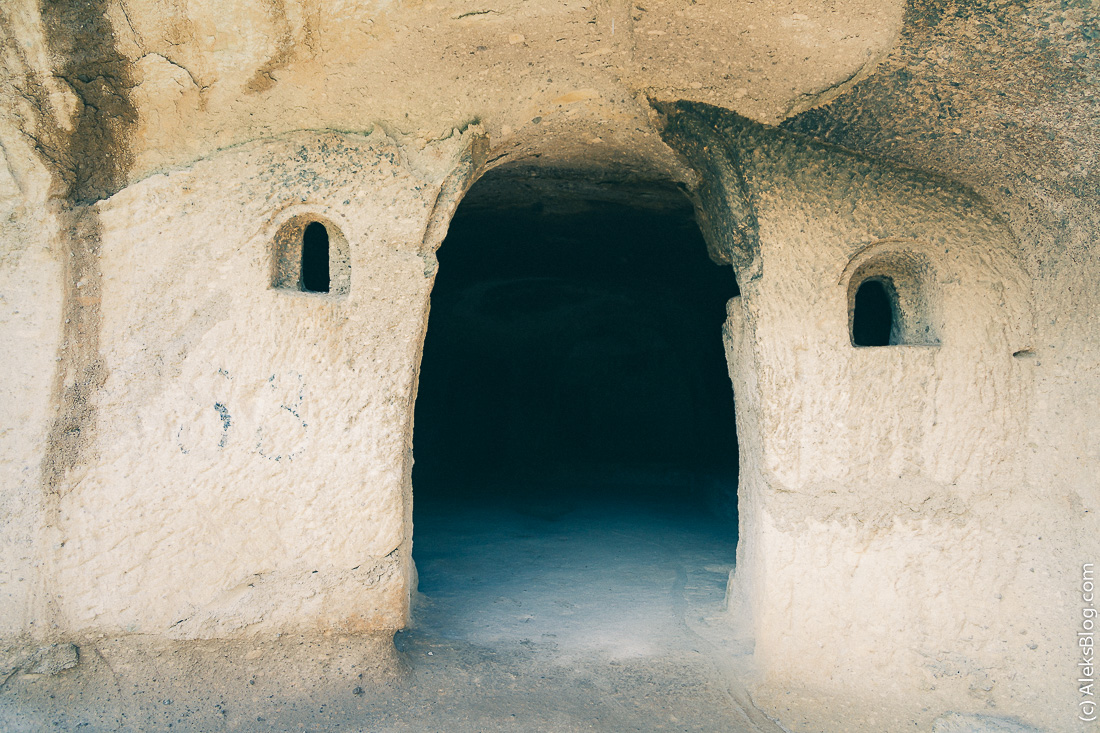

In 1283, a powerful earthquake struck. Most of the city broke away and was destroyed. What we see today – a kind of cross-section of the city on the cliff – is the result of that earthquake. The entire front side of the city collapsed, which is why it’s very difficult to understand the original layout of all the rooms.

At the end of the 16th century, the Turks came here, killed all the monks, and set the church on fire. In the 19th century, the Russian army reclaimed these lands from the Turks, and the monastery resumed its activity.
During the Soviet era, this area was closed as a border zone, and entry was allowed only with a permit.

On the way back from Vardzia, we happened to spot a rock-hewn church in one of the cliffs.


